
Last updated November 22, 2026
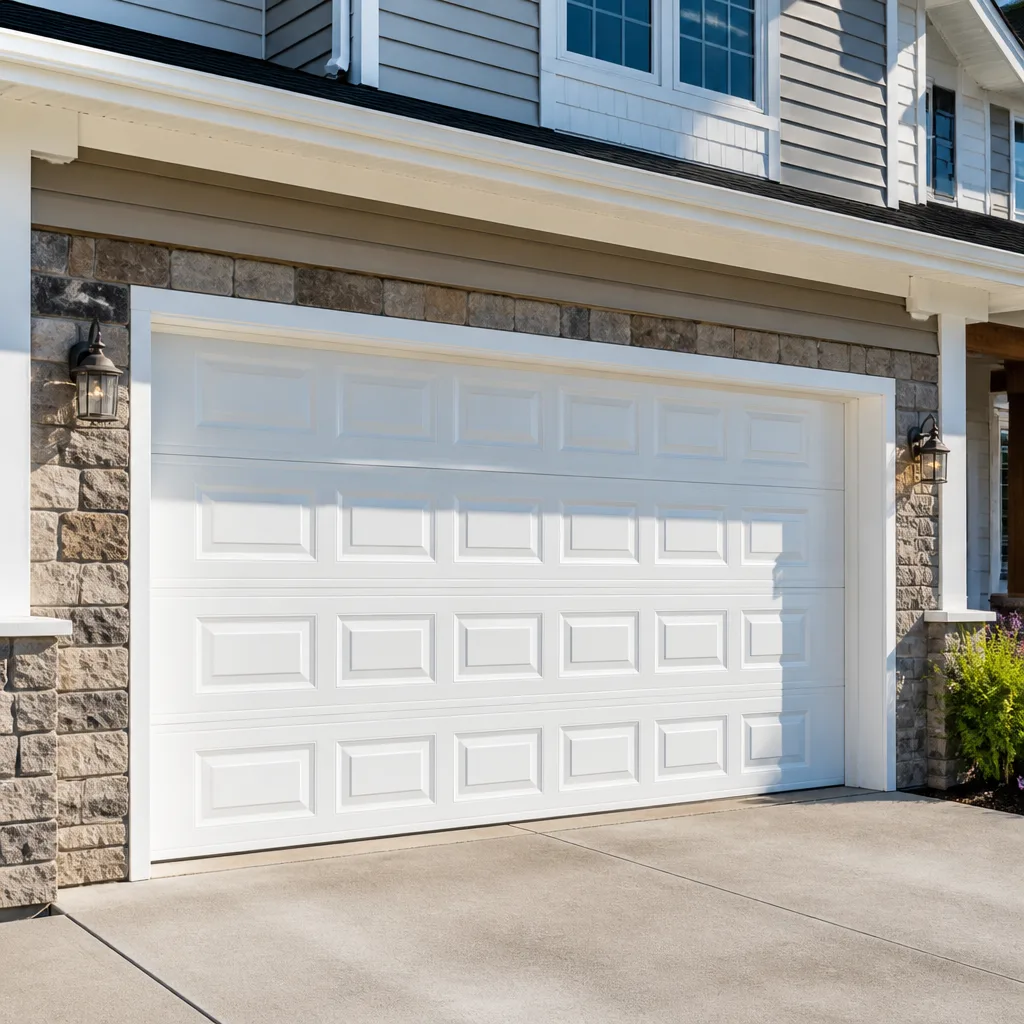 Raised-panel steel
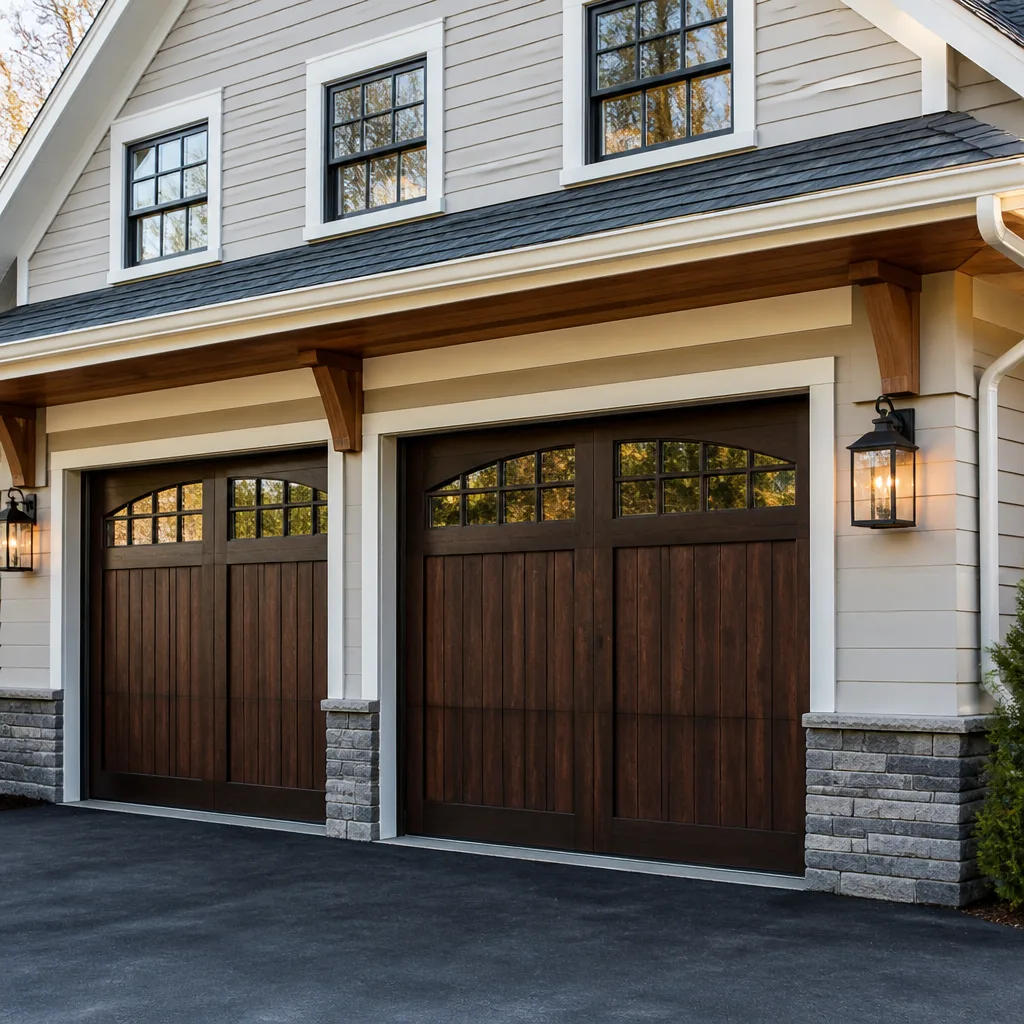 Carriage house
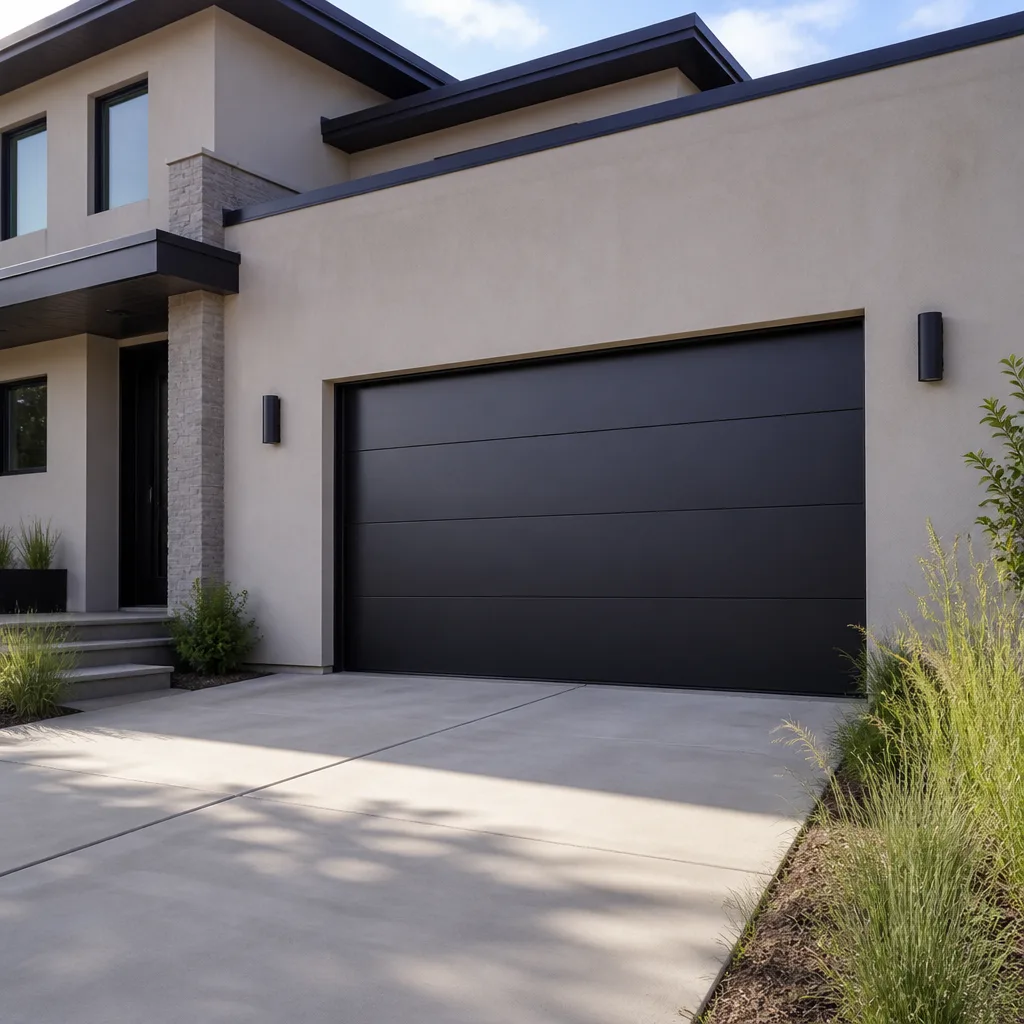 Modern flush
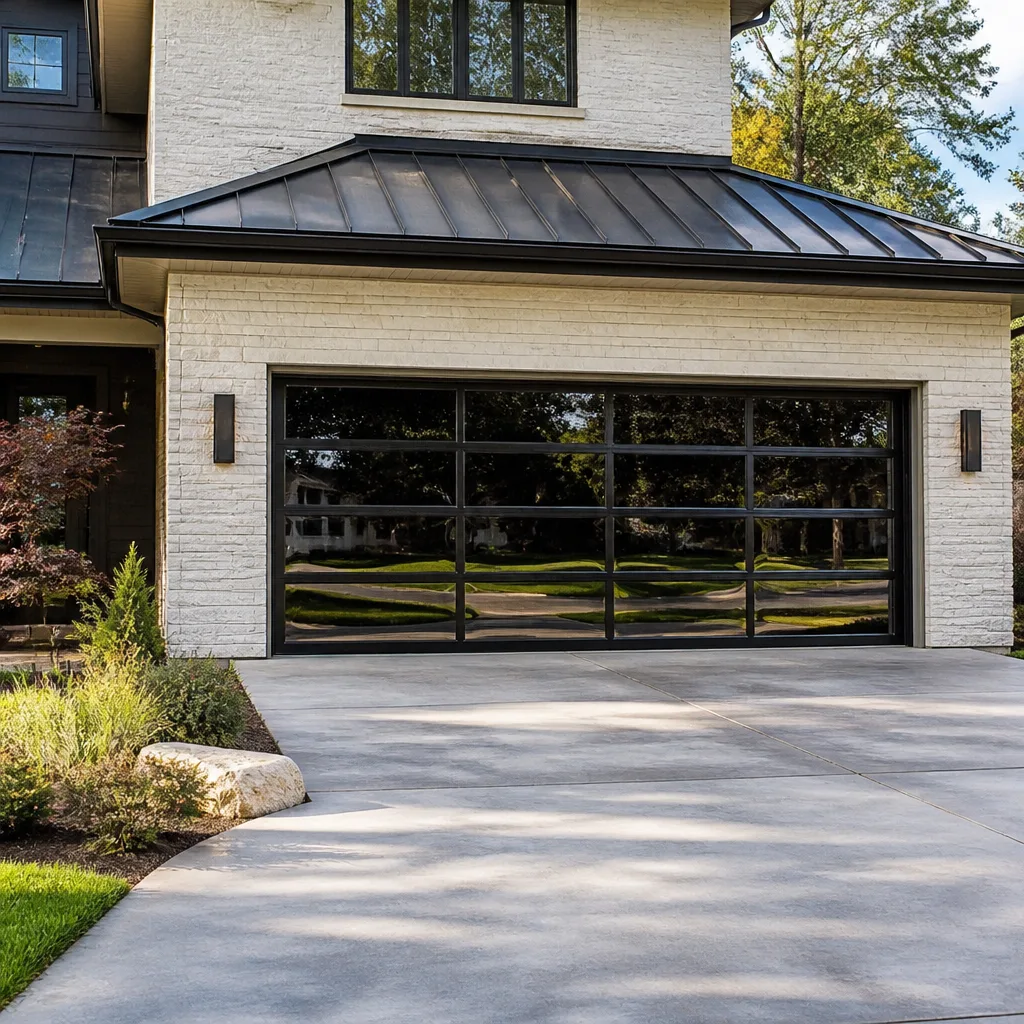 Full-view glass
 LiftMaster openers
 Chamberlain openers
Full 25-point door and opener safety check with every visit - springs, cables, rollers, tracks, and your LiftMaster or Chamberlain opener included
You get a price before we start. It does not change when the pro arrives.
Get your free estimateGarage Door Warning Signs: A Somerville Homeowner’s Reference Guide
A garage door that shudders a little when it opens isn’t a quirk. It’s often a worn roller bearing on the edge of seizing, and when it does, the door binds mid-travel and puts the full cable load on whatever hardware is left holding it. That’s how panels crack and cables snap. The trouble is that most warning signs arrive quietly, mixed in with the normal noise of a door doing its job, so it’s easy to file them under “I’ll deal with it later.” This guide draws a clear line between what’s cosmetic and what’s actively dangerous. You’ll learn a three-tier urgency system, how to separate normal wear sounds from mechanical distress, the visual signs New England winters leave behind, and the failure modes that strike a door that “works fine most of the time.” If you live in Somerville and your door moves every day, this is the reference to keep handy.
Quick Answer
Garage door warning signs fall into three urgency tiers: fix within the week (squealing rollers, vibration, a slow opener), schedule soon (visible spring corrosion, a cracked panel, a door that reverses on its own), and stop using the door now (a snapped spring, a frayed or hanging cable, a door that’s come off one track, or a bent bottom section). Sounds like grinding, popping, or scraping are mechanical warnings, never normal wear. If a spring or cable looks broken or feels loose, keep the door closed and call a trained professional before you touch anything.
Styles & brands we work with
- Raised-panel steel
- Carriage house
- Modern flush
- Full-view glass
- LiftMaster openers
- Chamberlain openers
Table of Contents
- The Three-Tier Urgency System
- Normal Wear Sounds vs. Mechanical Warning Sounds
- Winter Wear in Somerville: Springs, Panels, and Seals
- Opener Symptoms That Are Actually Door Problems
- Why a Door That “Works Fine Most of the Time” Is the Riskiest
- What You Can Check Safely (and What to Leave Alone)
- What Warning Signs Usually Cost to Address
- Do Brand and Age Change the Signs to Watch?
The Three-Tier Urgency System
Most homeowners lump every garage door noise into one pile labeled “garage door stuff,” then either panic or ignore it. The useful move is to sort the symptom by how fast it can turn into a costly or dangerous failure. We use a simple three-tier system, and it works whether your door is a Craftsman unit from the 1990s or a newer LiftMaster setup.
Tier 1: Fix within the week
These are early-wear signals. The door still operates, but something is degrading and will only get worse with each cycle.
- Squealing or squeaking during travel, usually dry rollers or hinges
- Visible vibration or shaking as the door moves
- A door that opens or closes noticeably slower than it used to
- Small gaps appearing between sections
- A remote or wall button that only works from close range
None of these are emergencies, but letting them run for months accelerates wear on rollers, hinges, and the opener’s motor.
Tier 2: Schedule soon
Here the symptom points to a component that’s compromised but hasn’t failed yet. Book a service visit before the door is used heavily.
- Heavy rust or flaking on the torsion spring (more on this in the winter section)
- A panel that’s cracked, delaminating, or separating from its frame
- The door reverses at random without hitting anything
- Grinding or popping that happens at the same point in every cycle
- The opener motor keeps running after the door has stopped moving
Tier 3: Stop using the door now
These are active safety hazards. Keep the door closed, don’t run the opener, and call for professional help. The garage door spring and cable system is under high tension, and a compromised part can release without warning.
- A visible gap in the torsion spring, or the spring hanging loose
- A cable that’s frayed, slack, or hanging off a drum
- The door is off one or both tracks, or leaning to one side
- The bottom section is bent or detached
- The door won’t stay at the halfway point when you open it manually
If any Tier 3 item applies to you, that’s a garage door spring repair problem or a cable failure, and it’s not a do-it-yourself job. Call a professional.
Normal Wear Sounds vs. Mechanical Warning Sounds
A garage door is a mechanical assembly, and a little noise is expected. The skill is telling the difference between the ambient noise of a working door and the specific sounds that signal a failing part. Here’s how we sort them.
What normal sounds like
A healthy door makes a low, steady hum from the opener motor and light travel noise as the rollers move along the track. You might hear a soft click when the opener engages or the safety sensors trip. If your door has been quiet for years and then one spring you notice a slight squeak, that’s usually a lubrication issue, not a structural failure.
What mechanical distress sounds like
- Grinding: metal-on-metal contact, often worn rollers or a misaligned track. It usually gets louder over time.
- Popping: can be a roller jumping its track, a hinge pulling loose, or a torsion spring section catching. Popping that happens at the same point in every cycle is a mechanical warning, not normal wear.
- Scraping: the door rubbing against the track or the bottom seal dragging on the floor. Sometimes a track alignment issue, sometimes a bent panel.
- A single loud bang: a torsion spring snapping. If you hear this, treat the door as Tier 3 and stop using it.
The general rule: a door that hums along quietly is fine. A door that develops a new, repeating, mechanical sound is telling you something is loosening, wearing, or breaking. In our experience, the earlier you treat a grinding or popping symptom, the smaller the repair.
Winter Wear in Somerville: Springs, Panels, and Seals
Somerville’s New England winters do a specific number on garage door hardware, and the signs show up in predictable places. Freeze-thaw cycles, road grit carried in on tires, and long stretches of weather near freezing push every component harder than the door’s rated life assumes.
Corrosion on torsion springs
Torsion springs are under constant tension, and they corrode from the inside out. On a Somerville door after a few winters, look for chalky flakes, pitting on the coils, or a rough surface finish. Surface rust on a spring isn’t automatically a failure, but heavy flaking or pitting is a warning that the metal’s fatigue life has been shortened. A corroded spring can snap with no warning at all.
Panel delamination from freeze-thaw
Insulated garage doors have a skin over a core, and water that gets between them will freeze, expand, and separate the layers. On the south and west-facing doors in Somerville, check panel seams for bubbling, a hollow sound when tapped, or visible separation at the edges. Delamination weakens the panel’s structural role and can eventually lead to a cracked section.
Bottom seal deterioration
The bottom seal is what keeps weather out. After a Somerville winter of grit and ice buildup in the door’s path, the seal can harden, crack, or tear loose from its track. A worn seal lets cold air and moisture in and can also jam the door’s travel. Replacing it is usually a small job, but ignoring it leads to water intrusion and frozen door tracks.
Track and hardware issues in the cold
When temperatures drop, metal contracts and lubricant thickens. A door that ran fine in October can start jerking or reversing in January because the track has shifted slightly and the opener is working harder. If your door acts up only in cold weather, that’s a symptom worth getting on the schedule.
Opener Symptoms That Are Actually Door Problems
This is one of the most common misdiagnoses we see. An opener that reverses on its own, travels slowly, or makes the motor run after the door stops sounds like a garage door opener repair job, but often the opener is doing exactly what it should by reacting to a door that’s binding or off-balance. Here’s how the symptoms break down.
Reversing at random without hitting anything
The opener’s safety sensors and force limits are designed to reverse the door if they detect a problem. A door that reverses with nothing in its path usually has a misaligned sensor, a loose sensor wire, or a door that’s meeting resistance partway down. In many cases the opener is fine and the door’s balance is off – a sign the torsion springs have lost tension.
Slow travel
A door that suddenly moves slower could be a dying opener motor, but it could also be a door with worn rollers or a track that needs alignment. The opener’s circuit board adjusts speed based on force feedback, and a dragging door forces it into a slow, labored mode.
Motor running after the door stops
If the motor hums for a few seconds after the door halts, the opener is trying to complete its travel cycle but the door isn’t moving. That’s almost always a door problem (bound track, broken spring, obstruction), not an electronics fault. The opener isn’t broken, but it’s being pushed toward failure by a door that won’t move cleanly.
Connectivity and remote issues
Remotes that only work up close, keypads that stop accepting codes, and smart openers that lose their app connection are genuine opener issues. Chamberlain and LiftMaster units are common on Somerville doors, and their connectivity faults are usually fixed at the opener level, not the door.
Sorting opener symptoms from door symptoms is the difference between replacing electronics you didn’t need and fixing the binding door that’s causing the trouble. A door that shudders or drags may also warrant a straightforward garage door repair call before small wear becomes a bigger problem.
Why a Door That “Works Fine Most of the Time” Is the Riskiest
A door that sticks now and then, or reverses once a month, or has a funny noise that comes and goes is more concerning than a door that’s consistently broken and visibly out of service. Here’s why.
Garage doors rarely fail gradually. The parts that matter most – torsion springs, cables, hinges, and rollers – have a fatigue life. A worn component holds until it doesn’t. A spring that has corroded internally will still lift a door reliably until the day the metal crystallizes and snaps. A cable that’s down to a few strands still works until the strands give way. Meanwhile, a door that’s actually broken stops operating and prompts the homeowner to call for service.
The pattern we see in Somerville homes is consistent. A door has been opening and closing fine for years, gets a little noisier, gets a little slower, and then one morning the owner opens it and hears a bang. The door won’t lift. The spring is in two pieces. There’s no predicting it to the day, but the signs leading up to it are usually visible for weeks or months beforehand: heavier vibration, a slightly slower travel, a louder grind at the same spot.
Think of it this way. The failure modes that happen suddenly are the ones that were already developing. Taking the small warning signs seriously is the closest thing to immunity from the big surprise repair.
What You Can Check Safely (and What to Leave Alone)
There’s a real boundary between the checks that are safe for a homeowner and the work that isn’t. We’d rather you look at your door carefully and know when to stop than attempt a repair that puts you at risk.
Safe to check yourself
- Listen. Stand in the garage and listen during a full open and close. Note any new sounds.
- Look at the springs. Visual inspection only – are there gaps, hangs, or heavy corrosion? Don’t touch.
- Check the balance. Lift the door halfway by hand from a closed position. A healthy door should stay put when you let go. If it sinks or rises on its own, the springs are out of balance.
- Watch the track. Are both sides aligned and attached? Look for gaps between the door and the track.
- Test the safety sensors. Wave a hand in front of each sensor. The door should reverse. If it doesn’t, adjust or replace the sensor.
- Inspect the panels. Look for cracks, delamination, and gaps between sections.
Do not attempt yourself
- Replacing or adjusting a torsion spring (high tension – can cause serious injury)
- Replacing or reattaching a cable (also under tension)
- Adjusting the torsion bar, drums, or winding components
- Operating a door whose spring or cable is already broken
If something in the “do not attempt” list is the problem, that’s a call to a professional. The local pro we connect Somerville homeowners with is licensed and insured as the state requires.
What Warning Signs Usually Cost to Address
Estimated cost depends on the failure type, not the symptom alone. The ranges below are typical for the Somerville market; the written estimate you receive after the technician sees the door sets the final price. That price is quoted and agreed before any work starts, so there’s no invoice surprise after the job.
- Roller replacement: roughly $80 to $200 for a full set
- Hinge replacement: roughly $60 to $150 depending on count
- Torsion spring – one spring: roughly $180 to $340
- Torsion spring – matched pair (usually replaced together): roughly $360 to $680
- Bottom seal replacement: roughly $80 to $200
- Track realignment: roughly $100 to $250
- Off-track door realignment with parts: roughly $150 to $400
- Panel replacement (single panel, installed): roughly $250 to $800 depending on brand and model
- Opener motor or circuit board replacement: roughly $200 to $450 depending on the model
One important note: an emergency call for a door that’s off its track or has a snapped spring doesn’t cost more than the same repair done on a scheduled visit. The price is set per job by the written estimate, not by the hour. If you want an accurate number for your specific door, call for a free estimate.
Do Brand and Age Change the Signs to Watch?
The warning signs are largely the same across brands, but the failure patterns differ enough that it’s worth knowing your door’s make. We work on LiftMaster, Chamberlain, Genie, Clopay, Amarr, Wayne Dalton, Craftsman, and Raynor equipment, and technicians pick up the brand-specific behaviors faster when they know what they’re looking at.
Craftsman openers, common in older Somerville homes, tend to show circuit-board and gear wear before the door itself fails. Chamberlain and LiftMaster openers – including the smart models – tend to flash a diagnostic code on the panel when they’re fighting a binding door. Clopay and Amarr door panels show delamination in different spots because of how the insulation is bonded. Raynor and Wayne Dalton doors often accumulate rust in specific hinge points.
If your door or opener is on the older side, brand knowledge shortens the diagnostic process. You don’t need to guess. A technician who has worked on the exact model can tell you what’s normal for that platform and what isn’t.
Common Mistakes to Avoid
- Ignoring the small shudder. A door that vibrates once in a while is usually a worn roller. Left alone, the roller can seize and force the door to jump its track, which is a much bigger repair than a set of rollers.
- Rewinding a spring yourself. Torsion springs are under hundreds of pounds of tension. Even an experienced DIYer can be seriously injured by a sudden release. This is a job for a trained professional.
- Replacing the opener when the door is the problem. In our experience, roughly half of the “the opener is broken” calls in Somerville are actually binding doors, off-balance springs, or misaligned tracks. Test the door by hand before assuming the electronics failed.
- Running the door on a broken spring. If you open the door and hear a bang or notice a gap in the spring, stop. Running the opener against a broken spring can bend the door or damage the opener motor.
- Letting winter rust sit on the spring. Ignoring heavy corrosion on a torsion spring is one of the most common ways a Somerville door goes from “working fine” to a snapped spring in the space of a single morning.
- Using the door as primary entry when it’s already showing Tier 2 symptoms. If the door’s reversing, grinding, or moving slowly, use the front door and schedule service. Every cycle adds wear.
- Skipping the balance test after winter. Cold weather is hard on springs. A quick balance check each spring tells you whether the door is still in good mechanical order before the season gets busy.
See the difference
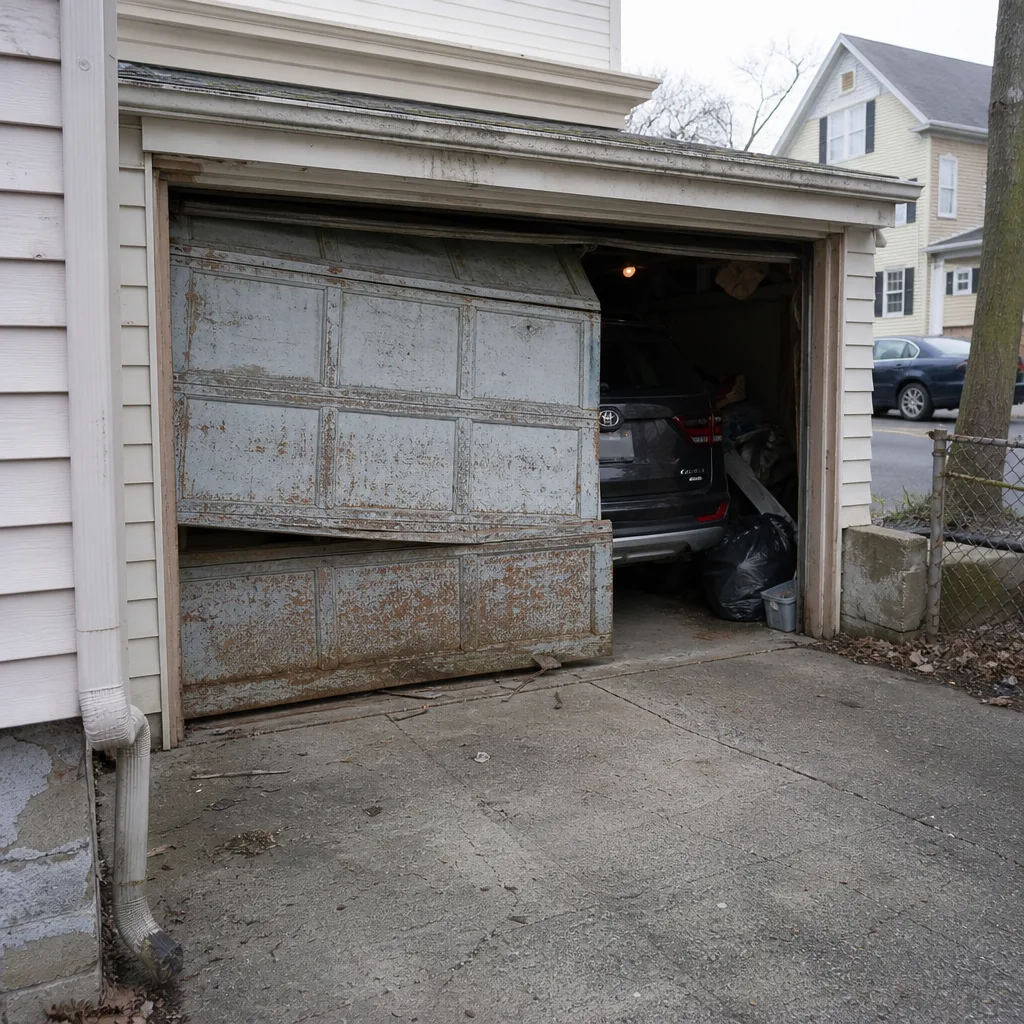 Before
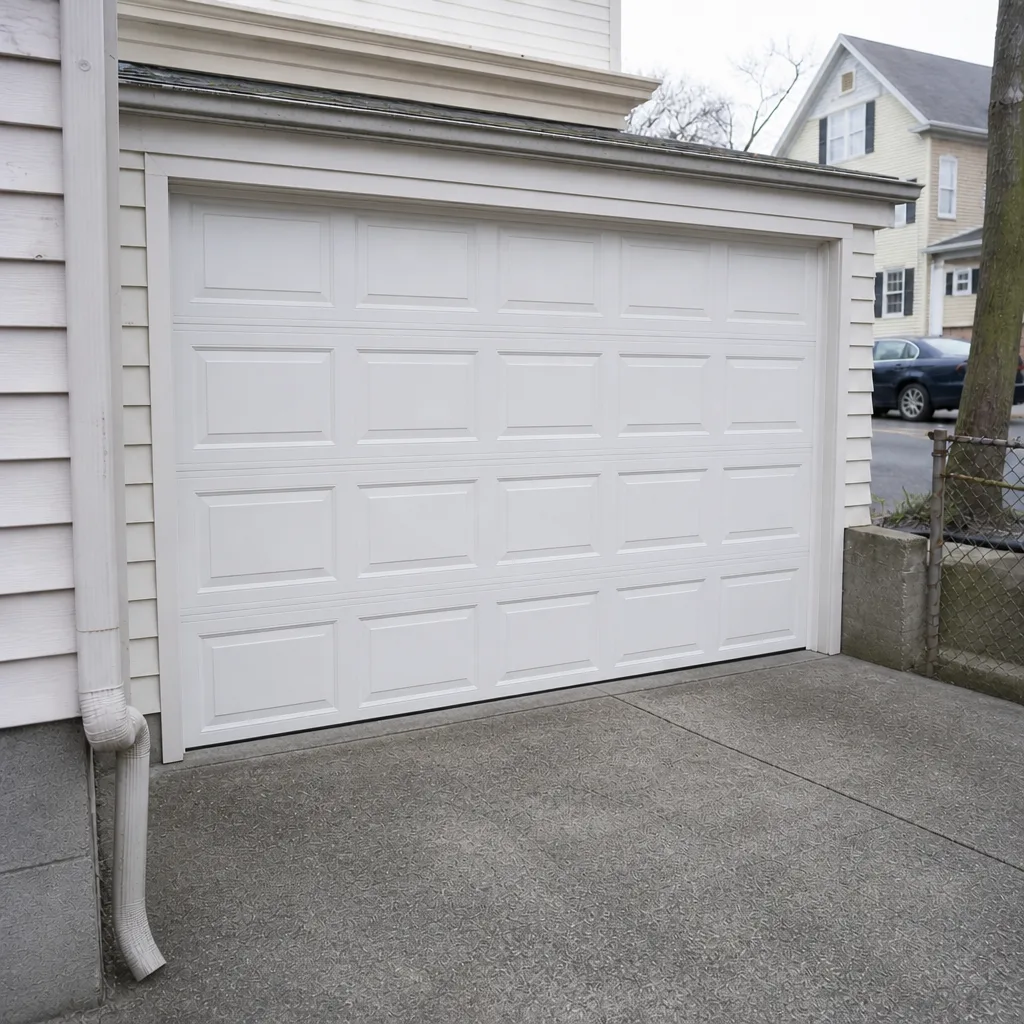 After
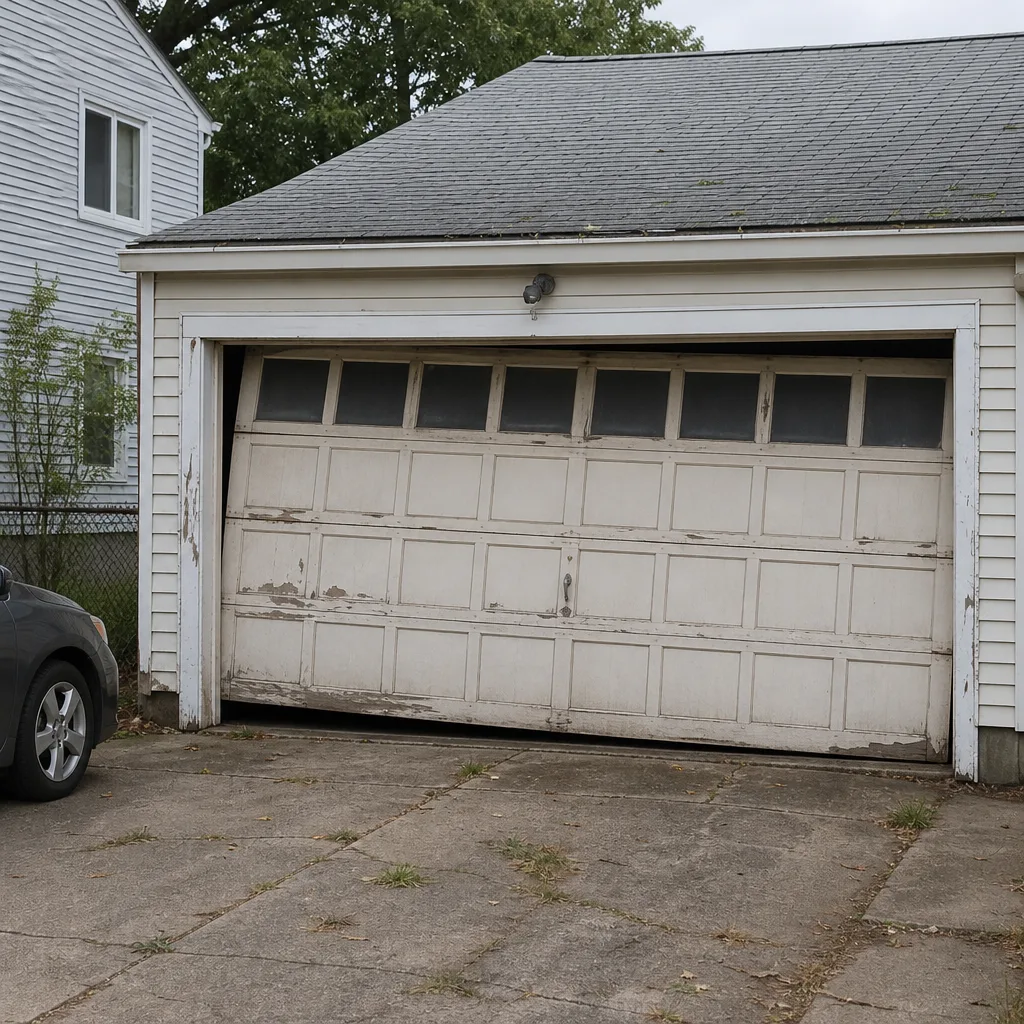 Before
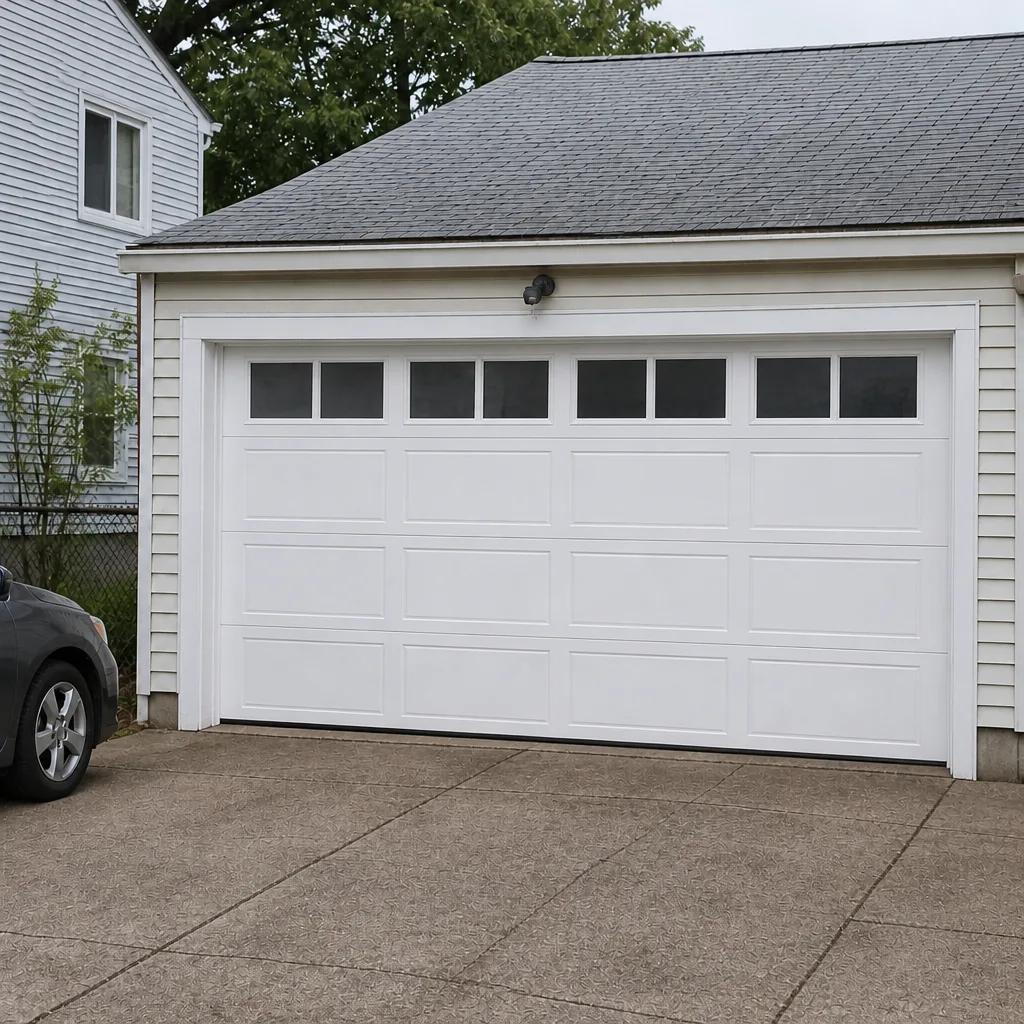 After
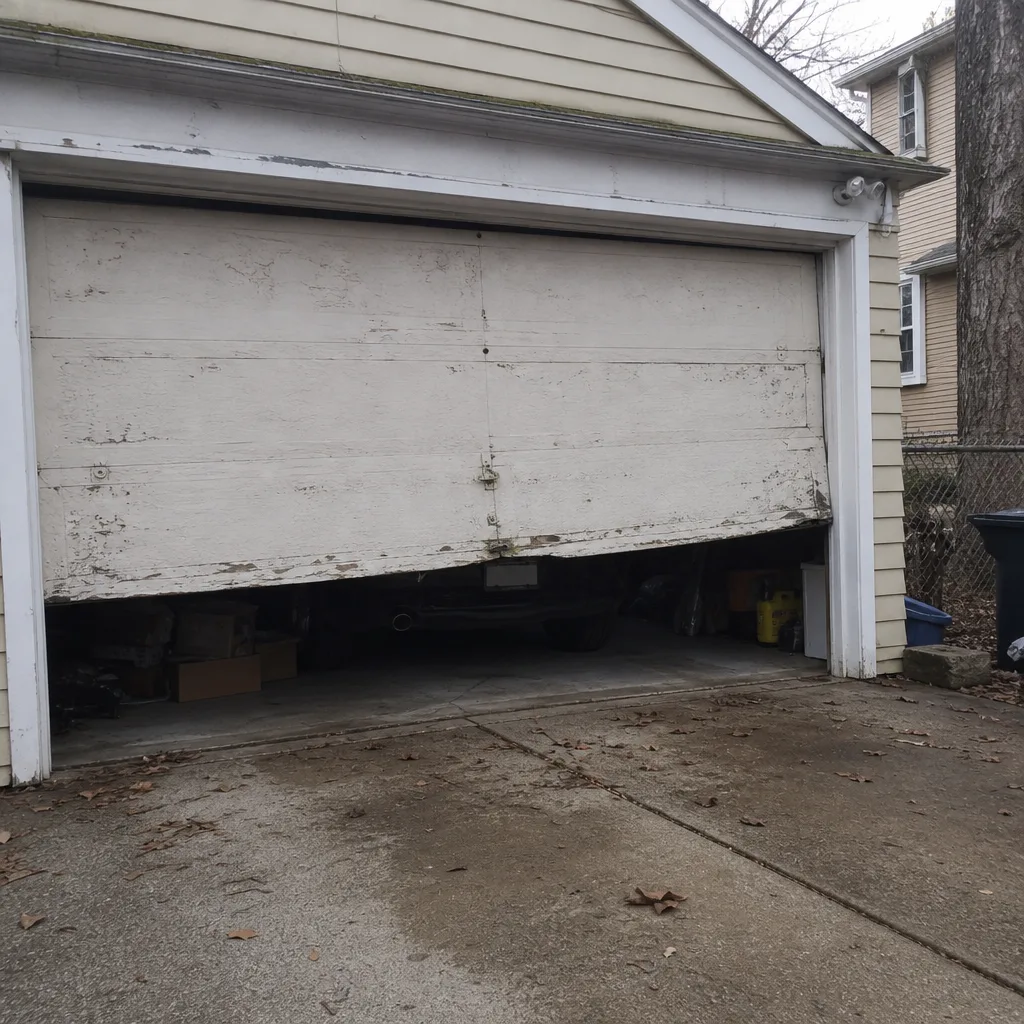 Before
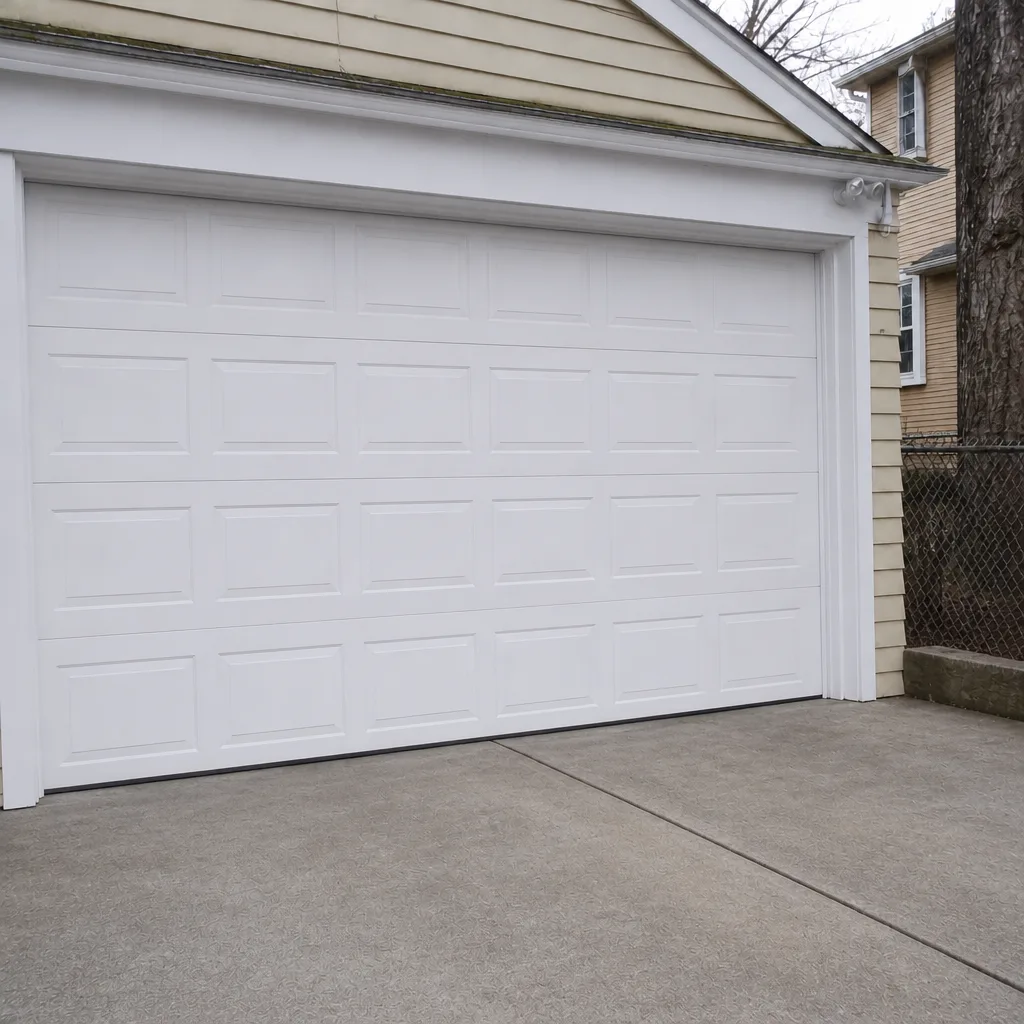 After
When to Call a Professional
Call a professional when the warning sign is on the Tier 3 list – broken spring, frayed cable, off-track door, bent panel – or when a Tier 2 symptom has been present for more than a week. Also call when you hear a sudden mechanical noise (a bang, a pop, a scraping) even if the door still moves. Any symptom that involves visible spring corrosion, a door that reverses without obstruction, or an opener motor that keeps running after the door stops is a call worth making before the next cycle. Somerville Garage Door Repair Pros offers free estimates in Somerville – call (844) 793-4614 to schedule. Our technicians have up to 11 years of experience, and we work on the 8 major brands, so the visit diagnoses the actual failure rather than guessing at the symptom.
Frequently Asked Questions
The most dangerous signs are a broken torsion spring, a frayed or detached cable, a door that’s off its track, and a door that won’t stay at the halfway point when tested by hand. All four involve high-tension components or a structurally unstable door. If any of these apply, keep the door closed and call a professional. A sudden release can cause serious injury, so don’t attempt a repair yourself. Call (844) 793-4614 for an estimate and we’ll book a visit. We answer 24/7. Fast dispatch from 7am to 7pm, Sunday through Friday.
Garage door spring repair in Somerville typically runs about $180 to $340 for one spring. A matched pair, which is usually replaced together, costs roughly twice that. The written estimate you receive after the technician sees the door sets the final price, and that price is quoted and agreed before any work starts. Call (844) 793-4614 for an exact quote – estimates are free.
No. Torsion springs are under high tension and a sudden release can cause serious injury. There’s no way to safely wind or unwind a spring without the proper tools and training, and this is the repair we most strongly advise against doing yourself. Call a trained professional for spring repair. Call (844) 793-4614 for a free estimate – the local pro is licensed and insured as the state requires.
Test the door by hand from a closed position. If it stays at the halfway point when you let go, the door is probably balanced and the opener is the likely culprit. If it sinks or rises on its own, or feels heavy, the door is out of balance and the opener is probably reacting to that. Call (844) 793-4614 if you’re unsure – the diagnostic visit is free.
Yes, same-day service is usually available for Somerville calls. We answer 24/7, with fast dispatch from 7am to 7pm, Sunday through Friday. Call (844) 793-4614 with the symptom and we’ll get you on the schedule. A call outside dispatch hours is booked into the next opening, Sunday through Friday, 7am to 7pm.
Yes – the local pro we connect Somerville homeowners with is licensed and insured as the state requires. Our technicians have up to 11 years of experience, and we work with LiftMaster, Chamberlain, Genie, Clopay, Amarr, Wayne Dalton, Craftsman, and Raynor equipment. Call (844) 793-4614 for a free estimate.
The written estimate is the price. Once the technician diagnoses the door, you’ll get a quote for the actual repair, and the price is agreed before any work starts. If the scope changes because the problem is different from what the symptom suggested, you’ll know before anything is done. Call (844) 793-4614 to get a free estimate.
Common signs include remotes that only work up close, a keypad that stops accepting codes, random reversing, a motor that keeps running after the door stops, and a door that opens or closes slower than usual. Some of these are true opener issues and some are the door binding. A diagnostic visit sorts which one you’re dealing with. For opener-specific help, see our garage door opener repair page.
The Bottom Line
Most garage door failures don’t happen out of nowhere. They announce themselves with a shudder, a grind, a slower travel, or a visibly corroded spring. The trick is to sort the symptom into the right urgency tier. Fix the small ones within the week. Schedule the moderate ones soon. Stop using the door when a spring, cable, or track is compromised. In Somerville, the winter months put extra stress on springs, seals, and panels, so a quick look and a balance test each season is the cheapest maintenance you can do. If you see something on the Tier 3 list, that’s a professional call, not a weekend project. If you want a free estimate or a technician to look at the door before it fails, call (844) 793-4614. We answer 24/7. Fast dispatch from 7am to 7pm, Sunday through Friday. Free estimates and a written price agreed before any work starts. From opener electronics to spring repair to a full new door installation, it’s all handled by the same shop, and the team at Somerville Garage Door Repair Pros is here to keep your door moving. For the main overview, see Somerville Garage Door Repair Pros.
Written by the team at Somerville Garage Door Repair Pros.