
Last updated November 22, 2026
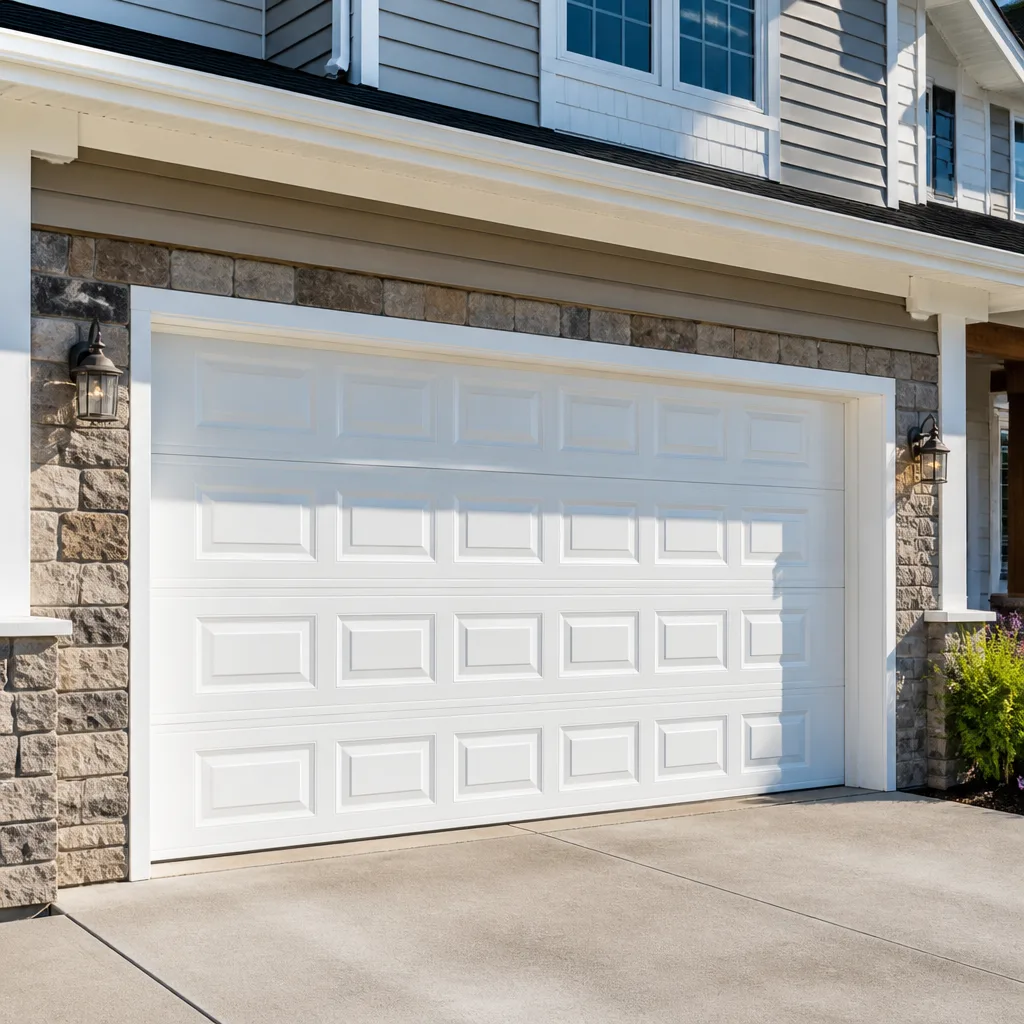 Raised-panel steel
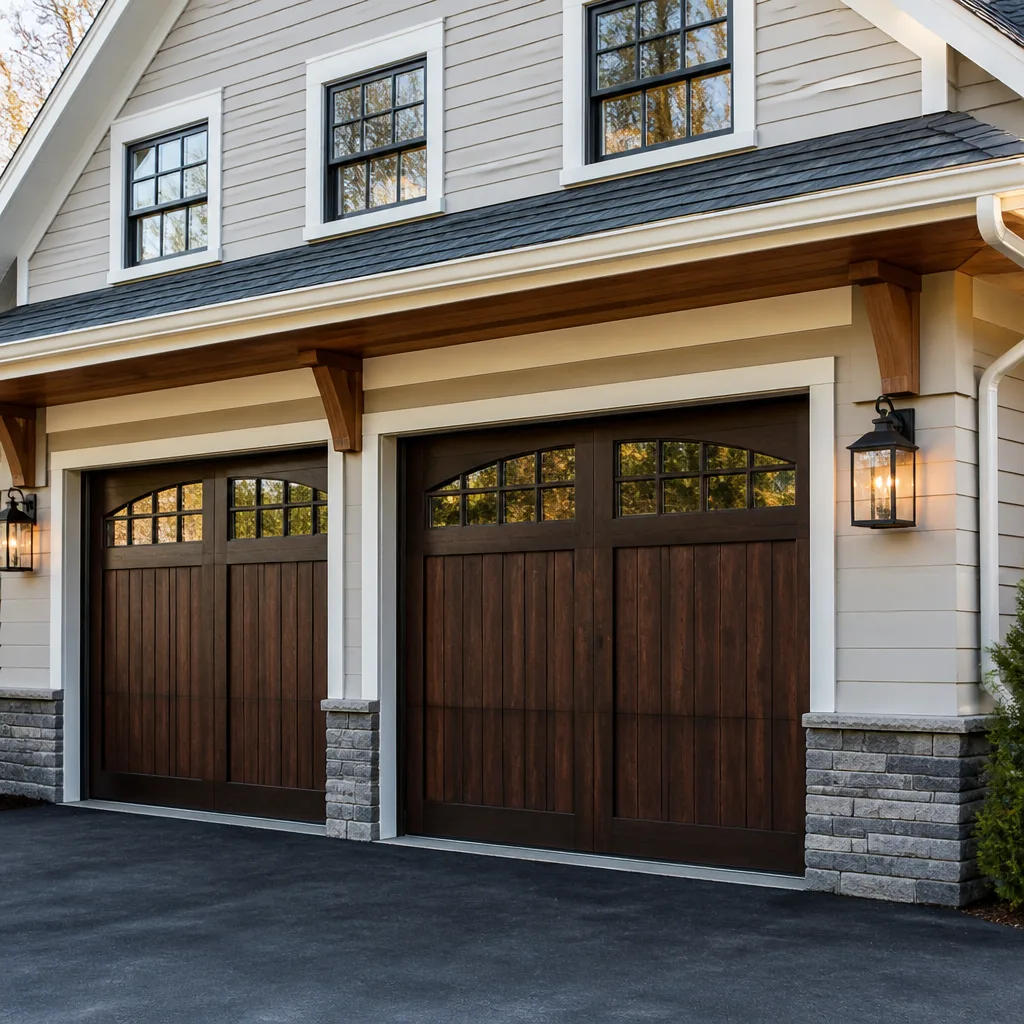 Carriage house
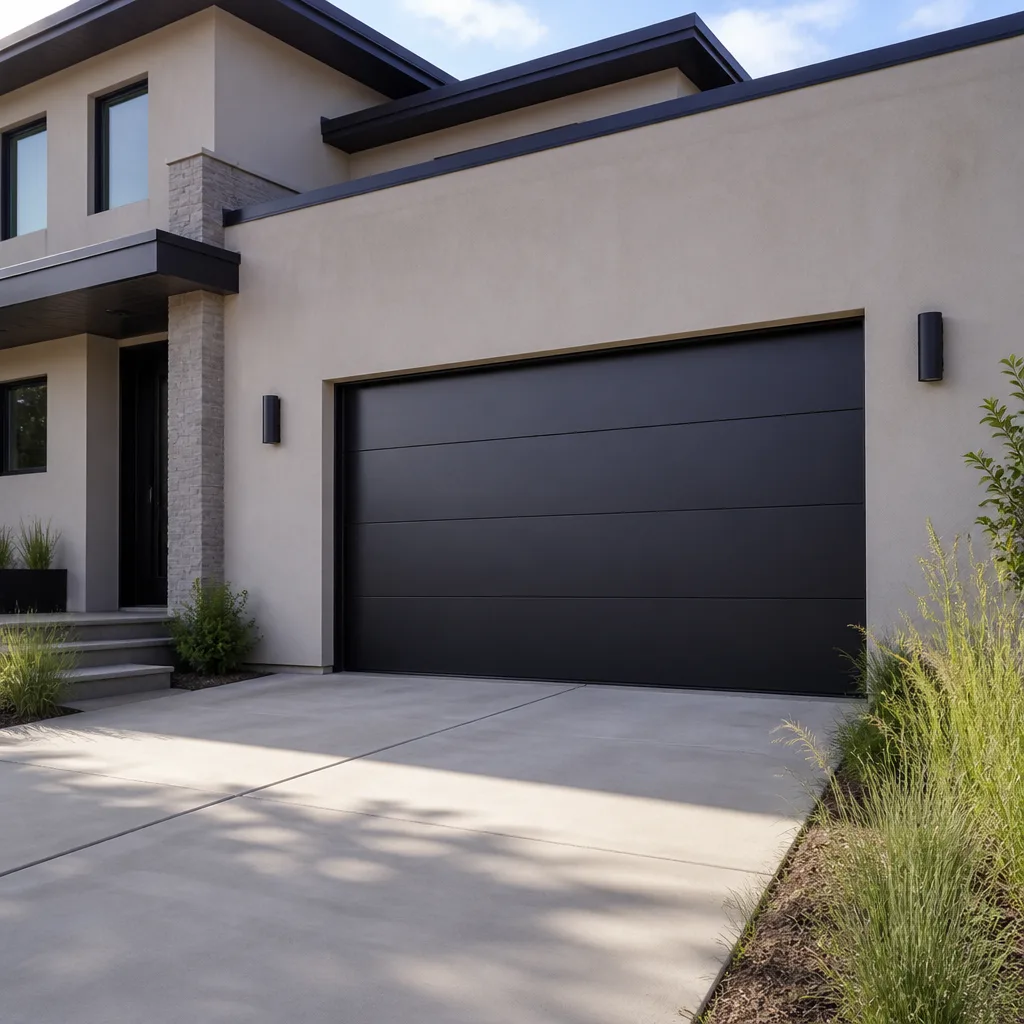 Modern flush
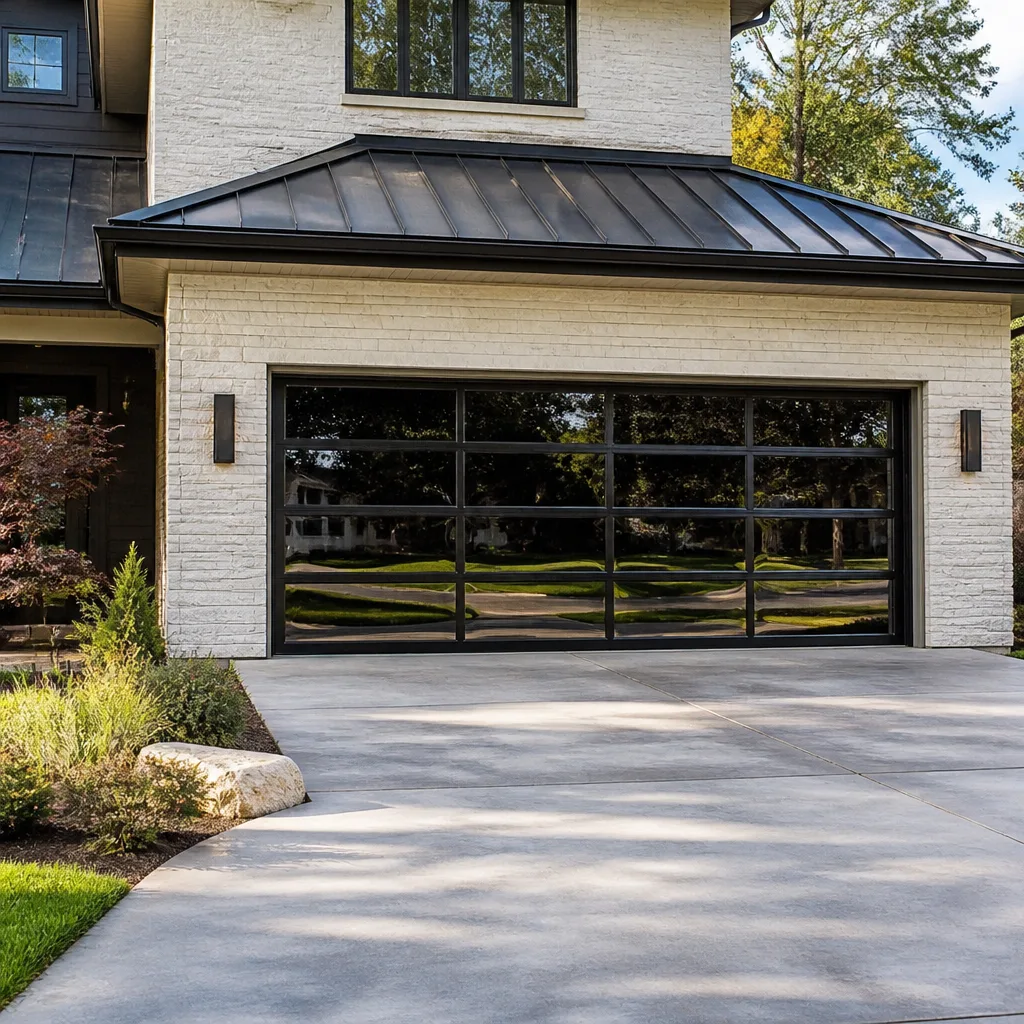 Full-view glass
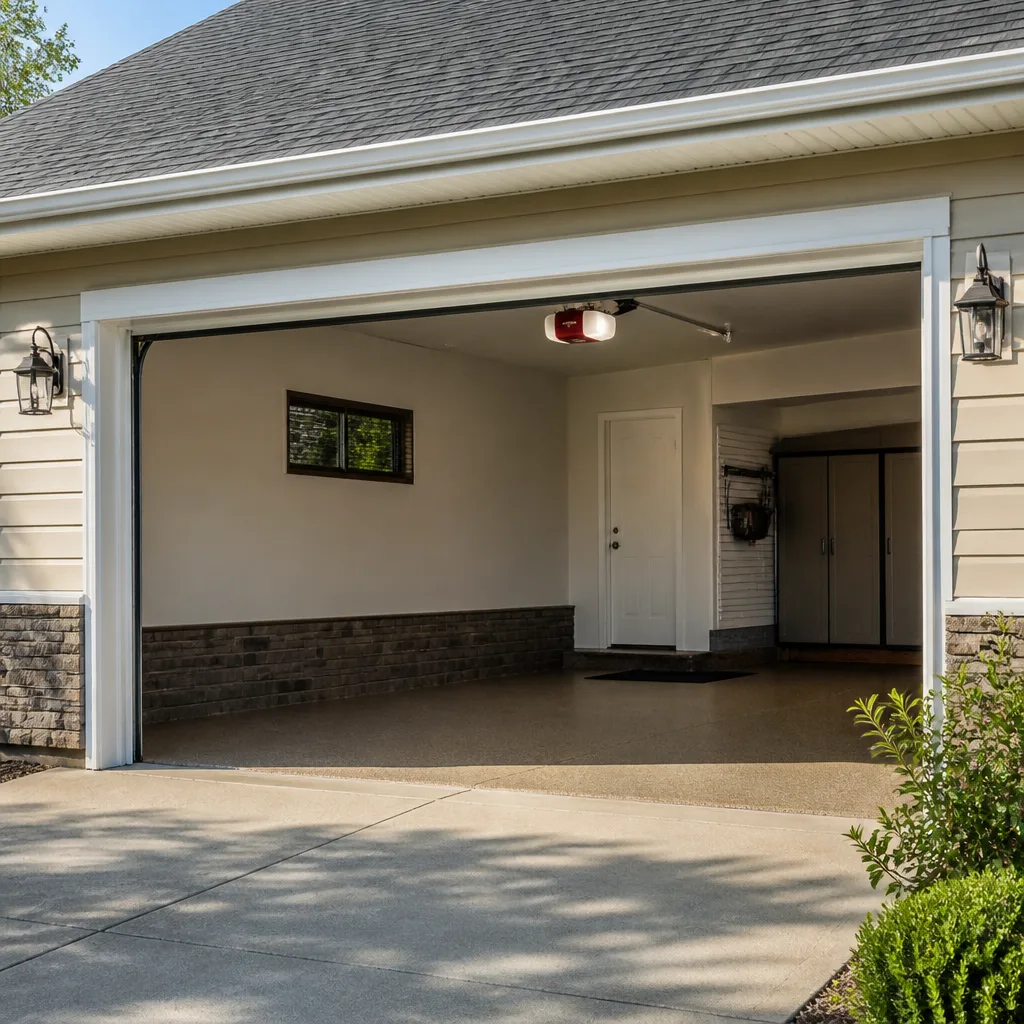 LiftMaster openers
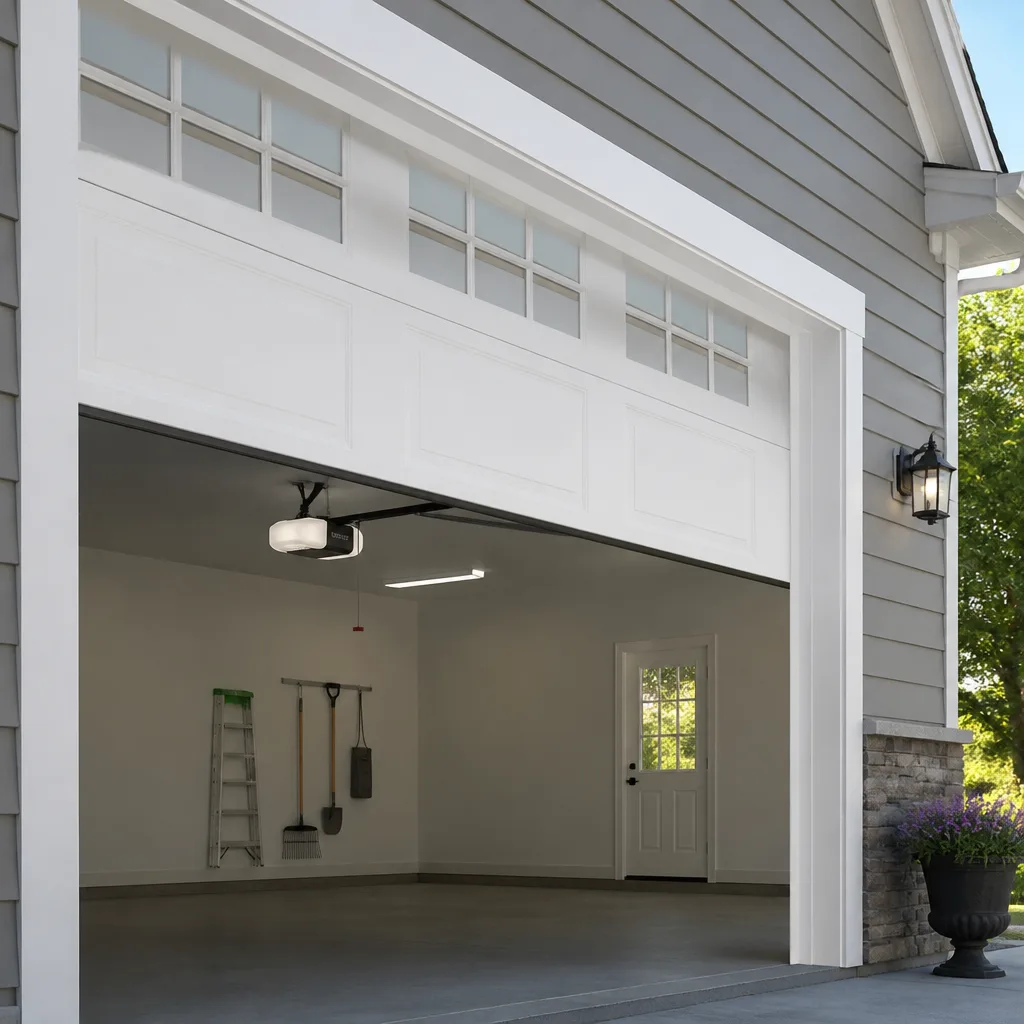 Chamberlain openers
Full 25-point door and opener safety check with every visit - springs, cables, rollers, tracks, and your LiftMaster or Chamberlain opener included
You get a price before we start. It does not change when the pro arrives.
Get your free estimateSeasonal Garage Door Care for Somerville: Year-Round Homeowner’s Guide
October is the most important month on a Somerville garage door’s calendar, and not for the reason most people assume. Spring replacement isn’t seasonal; torsion springs snap in July and January both. The real window is the stretch between the last mild, 60-degree day and the first hard freeze. That’s when you can still work in an unheated garage without your fingers going numb, and it’s when the three most common winter failures are cheapest and easiest to prevent. Miss it, and you spend January learning what a frozen bottom seal or a cold-stiffened spring feels like from the driver’s seat. This guide walks through each season’s jobs and, more importantly, the specific failure each one stops before it starts.
Quick Answer
Seasonal garage door maintenance in Somerville comes down to four jobs timed to the local climate: swap to low-temperature lubricant and check the bottom seal and opener force settings before the first freeze in October, avoid forcing a door that has frozen to the floor in winter, inspect springs, cables and hinges for corrosion after road-salt season in spring, and address heat and ventilation in an uninsulated garage during summer. A 15-minute walk-around each season catches most of these problems while they’re still cheap to fix.
Styles & brands we work with
- Raised-panel steel
- Carriage house
- Modern flush
- Full-view glass
- LiftMaster openers
- Chamberlain openers
Table of Contents
- Why October Is the Make-or-Break Month
- Winter: What to Do When Your Door Freezes to the Floor
- Spring: Post-Salt-Season Corrosion Inspection
- Summer: Heat, Uninsulated Garages, and Opener Longevity
- The 15-Minute Seasonal Walk-Around Habit
- A Month-by-Month Calendar for Somerville
- Common Mistakes to Avoid
- When to Call a Professional
Why October Is the Make-or-Break Month in Somerville
Most garage door advice treats maintenance as something you do whenever you get around to it. In Somerville, the calendar matters, because our winters aren’t gentle and our garages are frequently unheated, detached, or tucked under a triple-decker with poor air circulation. The gap between the last comfortable working day and the first hard freeze is short, and three specific failures take root in exactly that window.
The first is lubricant that turns to sludge. Standard all-purpose grease and many general-purpose spray lubricants thicken as temperatures drop. On a torsion spring, a stiff lubricant means the coils bind slightly instead of sliding past each other under load. That uneven stress is what accelerates fatigue and, eventually, breakage. Switching to a low-temperature or cold-rated garage door lubricant before the freeze is a five-minute job that meaningfully changes how your springs behave in February.
The second is a bottom seal that’s already compromised. A seal with a split, a flattened lip, or a loose retainer lets in water and cold air. When that water refreezes, it can bond the rubber to the concrete slab. A door that’s frozen to the floor is a winter emergency waiting to happen, and October is when you find and fix the seal rather than discovering it at 7am with the car inside.
The third is opener force sensitivity. As temperatures drop, door weight changes: lubricants stiffen, seals drag, metal contracts. An opener set at the edge of its force limits in mild weather can start reversing or stalling in the cold. Recalibrating force sensitivity in October, while you can still feel how the door moves by hand, prevents the most common winter opener complaint we hear in Somerville.
October Checklist
- Lubricate springs, hinges, rollers and tracks with a cold-rated garage door lubricant.
- Inspect the bottom seal for splits, flattening and loose retainers; replace if compromised.
- Test the door’s balance by hand (carefully, with the opener disengaged) to check for dragging.
- Recalibrate the opener’s force sensitivity and re-test the safety reverse.
- Clear gutters and check for water tracking toward the garage floor, especially on sloped Somerville lots.
- Check weatherstripping around the door perimeter for gaps that let in cold air and moisture.
Winter: What to Do When Your Door Freezes to the Floor
When a garage door freezes to the floor, the right move is to free the seal gently from the concrete before running the opener, not to force the door up with the motor or by hand. Forcing it is the single most damaging thing you can do in cold weather, and it’s how a $30 seal becomes a much bigger repair.
Here’s why. The bottom seal is a rubber lip that compresses against the floor. When water gets under it and freezes, that lip bonds to the slab. If the opener lifts the door, the motor wins the tug-of-war, but the seal doesn’t peel away cleanly. It tears, stretches, or rips free of its retainer. Meanwhile, the opener has just done the equivalent of a heavy lift from a dead stop, which strains the motor, the gears, and the torsion system all at once. Repeated forced openings shorten the life of every component in the chain.
The 60-second fix is simple. Before touching the opener, inspect the bottom of the door where it meets the floor. If you see ice bonding the seal, break that bond gently with a plastic scraper or a soft-bristled broom worked along the base, or apply warm (not hot) water to the seam to melt the ice. Once the seal has released, run the door normally. If you can’t free it without real force, stop and call a technician; a door that’s genuinely stuck is not a job for a pry bar.
What Not to Do in Winter
- Don’t run the opener repeatedly against a frozen door hoping it’ll break free. You’re loading the motor and springs for nothing.
- Don’t pour hot water on the seal or slab. The thermal shock can crack concrete and damage the rubber.
- Don’t use a metal shovel or pry bar along the bottom seal. You’ll tear it and possibly damage the panel.
- Don’t ignore a door that reverses or stalls in the cold. It’s telling you the force settings or the seal need attention, and that’s a quick fix compared to a spring or opener failure.
If winter does produce a genuine failure, a snapped spring, a dead opener, or a door that won’t budge, that’s exactly what garage door repair is for, and it’s a core service rather than a premium add-on. Somerville winters are hard on doors, and a door that’s stuck in January is a lockout, not an inconvenience.
Spring: Post-Salt-Season Corrosion Inspection
Once the last of the road salt has washed off the streets and the freeze is behind us, your garage door has been through months of moisture, temperature swings and salt spray tracked in on tires. Spring is when you look for corrosion, and, more importantly, when you learn to tell cosmetic rust from structural degradation.
Surface rust is normal. A light orange bloom on a hinge, a roller bracket, or the outer coil of a torsion spring is cosmetic as long as it’s on the surface and doesn’t pit the metal. Wipe it down, lubricate, and move on. What matters is rust that has started to eat into the metal: flaking, pitting, or a spring coil that sheds a layer when you touch it. That’s structural degradation, and on a torsion spring it’s a warning sign, because a spring that’s rusting from within is a spring that’s closer to snapping than its age would suggest.
Pay attention to cables and hinges too. Cables should be inspected for fraying, kinks or rust blooming between the strands. Hinges should move freely; a hinge that’s stiff or rusted solid transfers load to the panel and the opener. Also look at the track rollers: a roller with a flat spot, a wobble, or visible wear is a cheap replacement that prevents a much more expensive track or opener problem later.
A rusting spring on a garage door spring repair call is one of the most common spring-season findings we see in Somerville, and it’s also one of the most safety-critical. Torsion springs are under extreme tension. Never attempt to unwind, adjust or replace one yourself. That’s a job for a trained technician with the right tools, and it’s a service we handle in-house rather than farming out.
Spring Inspection Points
- Springs: look for pitting, flaking or a coil that sounds gritty when the door moves.
- Cables: check for fraying, kinks, or rust between the strands.
- Hinges: should move freely; lubricate or replace stiff ones.
- Rollers: check for flat spots, wobble or visible wear.
- Panels: look for rust blooms around the bottom edge, where moisture sits.
- Track: inspect for rust, dents or misalignment that makes the door drag.
Summer: Heat, Uninsulated Garages, and Opener Longevity
Summer is the season most homeowners ignore their garage door entirely, which is a mistake in a place like Somerville, where plenty of garages are uninsulated, poorly ventilated, or built into older structures that trap heat. Heat affects two things: the opener motor and the door’s moving parts.
Garage door openers are rated for a temperature range, and a motor working in a garage that bakes at 100-plus degrees on a hot afternoon runs hotter than it should. Heat stresses the motor windings, the circuit board, and the lubrication inside the gearbox. Over successive summers, that shows up as an opener that struggles, stutters, or eventually fails. It’s not dramatic; it’s cumulative. And it’s one reason a garage that gets real ventilation tends to have an opener that lasts longer.
What actually helps? Ventilation first: a vent, a gap under the door when it’s open, or a small exhaust path can drop the peak temperature in an uninsulated garage meaningfully. Insulation second: an insulated door, or insulation added to the walls and ceiling, reduces the heat load on the motor and makes the space more usable year-round. If you’re replacing an older door anyway, an insulated model from a brand like Clopay or Amarr makes a real difference in a Somerville garage that otherwise turns into an oven in July. And for the opener itself, keeping the motor area clean, checking the safety reverse, and having the unit serviced when it starts acting up are what actually extend its life. That’s the kind of work our garage door opener repair service covers, from motor and circuit-board issues to the connectivity problems that show up on smart openers.
The 15-Minute Seasonal Walk-Around Habit
The single biggest difference between homeowners who catch garage door problems early and those who end up making emergency calls is a habit, not a skill. Fifteen minutes, four times a year, walking around the door with a flashlight and your hands. Here’s how to build it.
- Look before you touch. Walk the full perimeter of the door with a flashlight. Check the seal, the panels, the track, the springs and the cables for anything that looks different.
- Listen while it moves. Run the door up and down once and listen. Grinding, squealing, popping or a door that hesitates are all early warnings.
- Test the balance by hand. Disengage the opener, lift the door halfway, and let go. A balanced door stays put; one that drifts down or races up is out of balance.
- Test the safety reverse. Put a small object in the door’s path and confirm the door reverses on contact. This is a safety-critical check, not a formality.
- Lubricate what moves. Springs, hinges, rollers and tracks, with the right lubricant for the season. Cold-rated in fall, standard in spring.
- Write down what you find. A note on your phone about a sound or a wobble makes it much easier to describe the problem when you call.
Do this in October, January, April and July. It takes less time than a coffee break, and it turns most garage door emergencies into scheduled repairs. And if something you find worries you, a free estimate costs nothing and settles the question.
A Month-by-Month Calendar for Somerville
Here’s how the year breaks down for a Somerville garage door, season by season. It’s not a rigid schedule; it’s a framework you can adjust to your door, your garage and how much you use it.
- October: The big prep month. Cold-rated lubricant, bottom seal inspection, opener force recalibration, weatherstripping check.
- November: Last chance to fix anything you flagged in October before the hard freeze sets in.
- December through February: Watch for frozen seals and doors that struggle in the cold. Don’t force anything. Call if a spring or opener fails.
- March: Post-winter inspection. Look for seal damage, panel rust and anything that froze or tore over the winter.
- April: The corrosion inspection. Springs, cables, hinges, rollers, track. This is the season to catch rust before summer.
- May: Balance and safety reverse check. Lubricate with standard lubricant now that the cold is gone.
- June through August: Heat season. Ventilate the garage, keep an ear on the opener, and address any motor or circuit-board issues before they get worse.
- September: The bridge month. Recheck everything before October’s prep work begins.
Somerville’s housing stock matters here too. Plenty of garages sit under or behind older multi-family buildings on tight lots in neighborhoods like Union Square, Davis Square, and Teele Square, and those spaces tend to be unheated, poorly ventilated and exposed to whatever the weather throws at them. A detached garage on a sloped lot may drain poorly, which means more moisture at the bottom seal and more rust on the door’s lower panels. Adjust the calendar to what your specific garage actually deals with.
Common Mistakes to Avoid
- Forcing a frozen door. Running the opener against a door frozen to the floor tears the bottom seal and strains the motor and springs. Free the seal first.
- Using the wrong lubricant in winter. Standard grease thickens in the cold and can cause springs to bind. Switch to a cold-rated lubricant before the first freeze.
- Ignoring surface rust until it becomes structural. Light bloom on a hinge is cosmetic; pitting and flaking on a spring coil is not. Know the difference and act on the second one.
- Assuming the opener is the problem. A door that reverses, drags or stalls is often out of balance or has a worn seal. Diagnosing by brand-specific behavior, rather than guesswork, is exactly what a technician familiar with LiftMaster, Chamberlain, Genie, Clopay, Amarr, Wayne Dalton, Craftsman and Raynor products does.
- Treating heat as harmless. An uninsulated Somerville garage turns into an oven in July, and that heat shortens opener life. Ventilation and insulation are real fixes.
- Skipping the safety reverse test. It takes ten seconds and it’s the single most important safety check on the whole door.
- Attempting spring work yourself. Torsion springs are under extreme tension and are genuinely dangerous. This is not a DIY job.
When to Call a Professional
Some seasonal tasks are homeowner work: lubricating, wiping down rust, testing the safety reverse, freeing a frozen seal. Others belong to a trained technician every time. Call a professional if you find a broken or badly rusted torsion spring, a frayed or kinked cable, a door that’s come off its track, an opener that’s dead or behaving unpredictably, or a door that’s stuck and won’t free without real force. Spring failure is a safety issue, and it’s a repair many general contractors decline. It’s also a core service for us, handled by technicians who’ve seen the failure modes across the major brands. Somerville Garage Door Repair Pros offers free estimates in Somerville. Call (844) 793-4614. We answer 24/7. Fast dispatch from 7am to 7pm, Sunday through Friday.
Our technicians have up to 11 years of experience working on residential garage doors and openers, and every price is quoted and agreed before any work starts. No surprises on the invoice.
See the difference
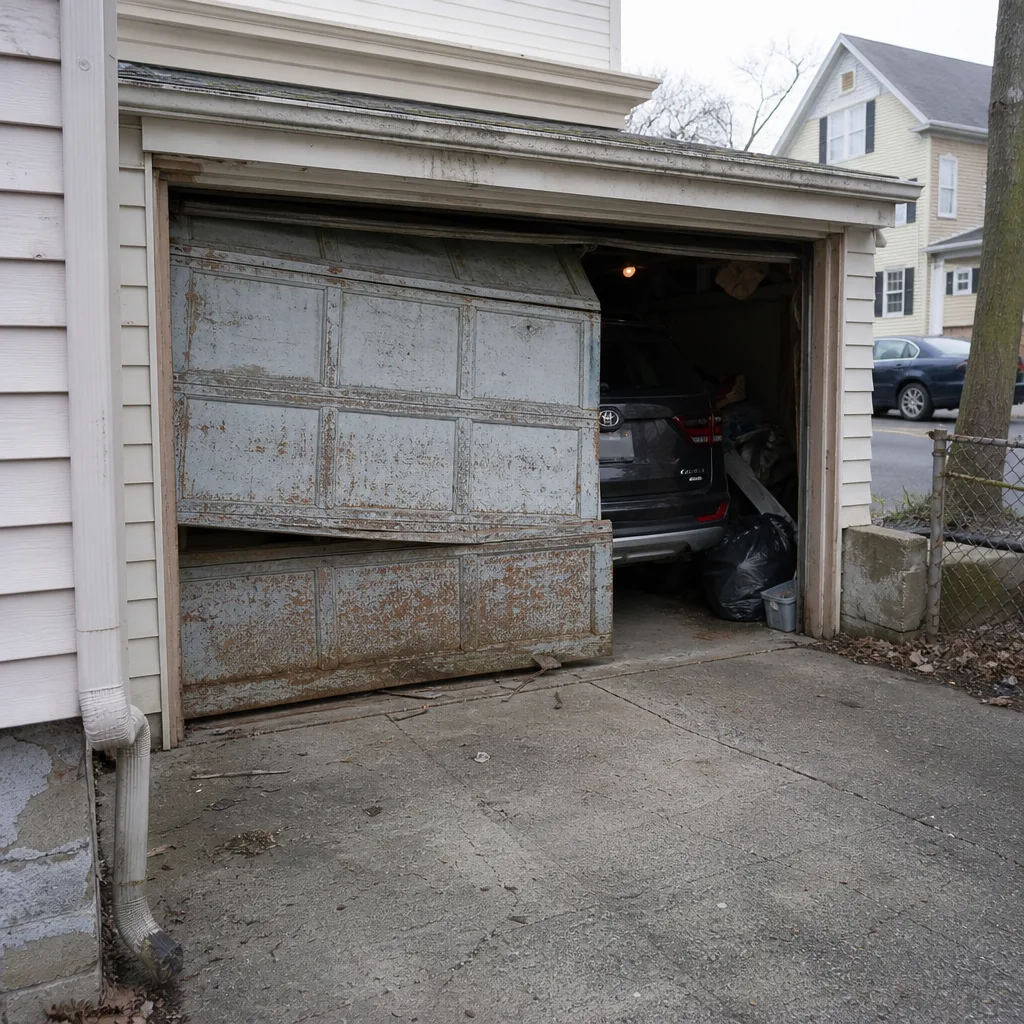 Before
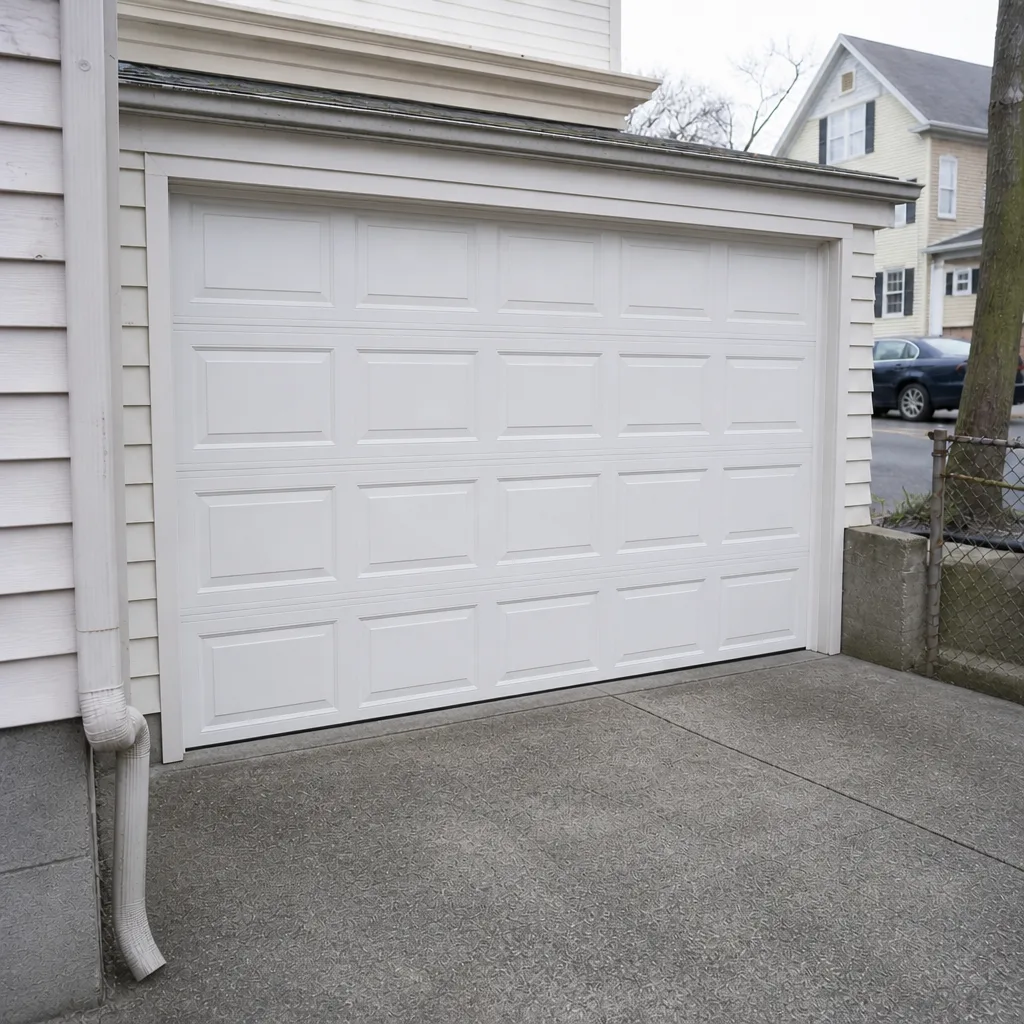 After
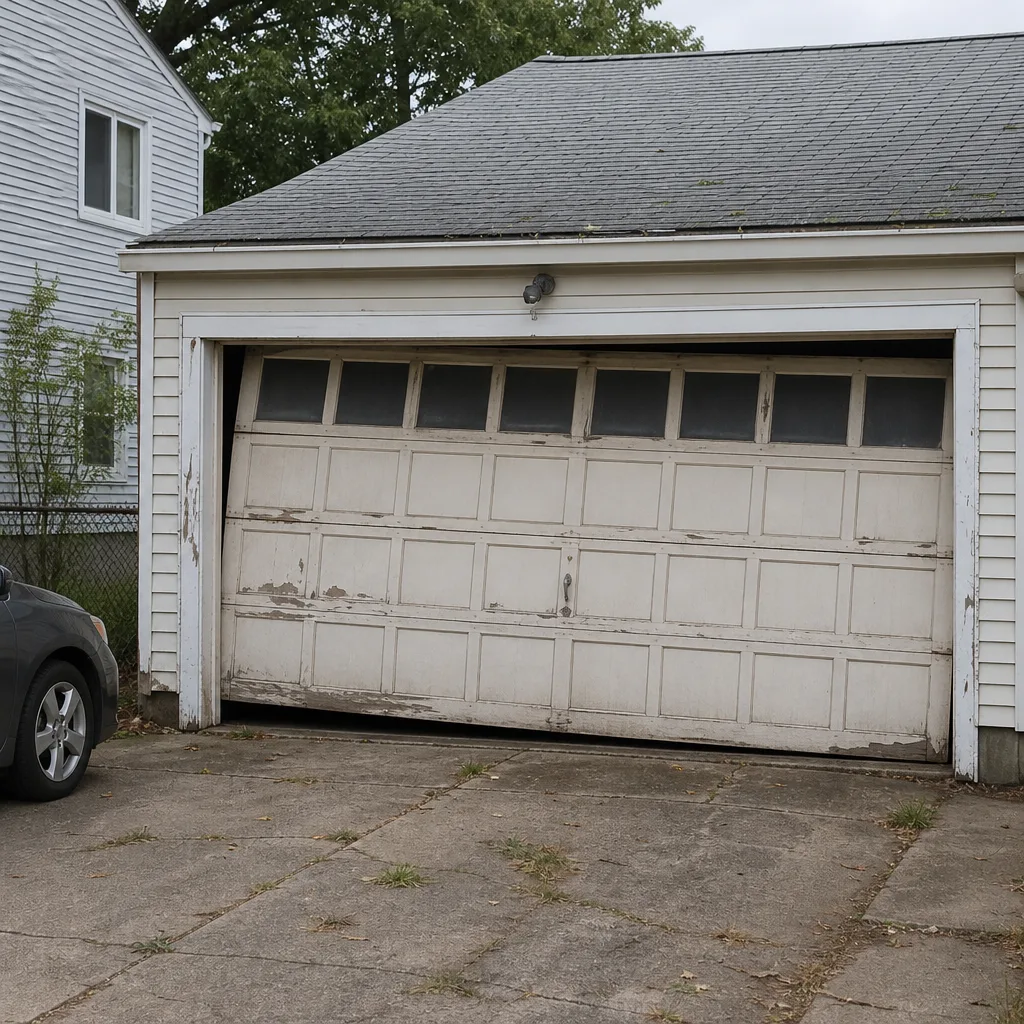 Before
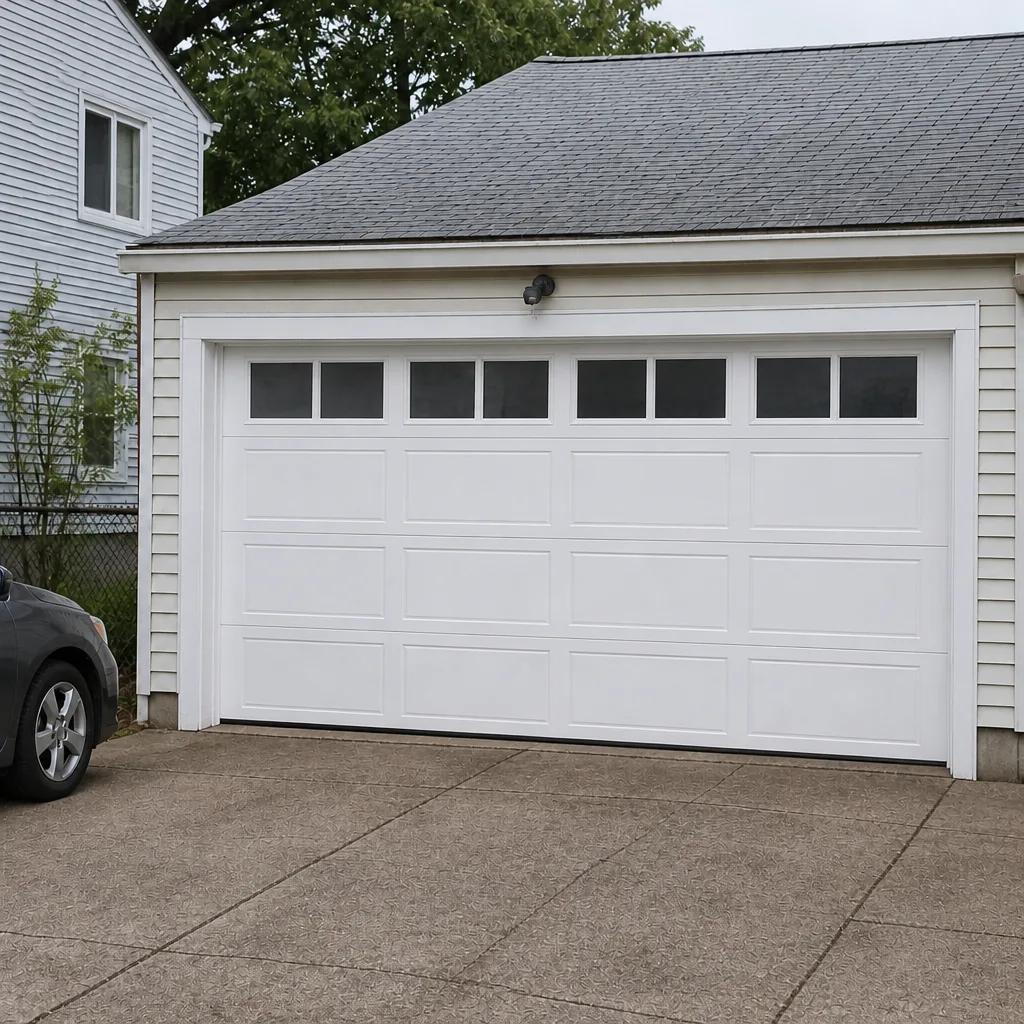 After
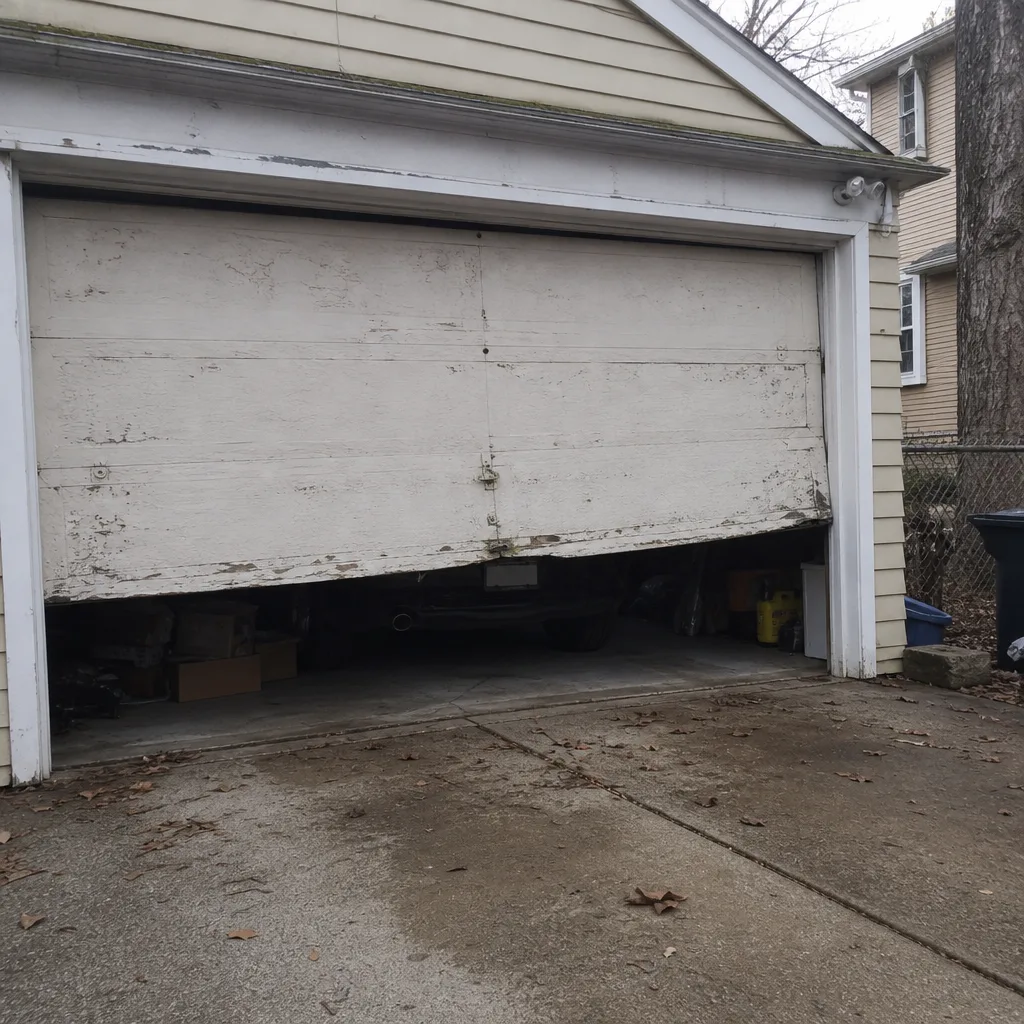 Before
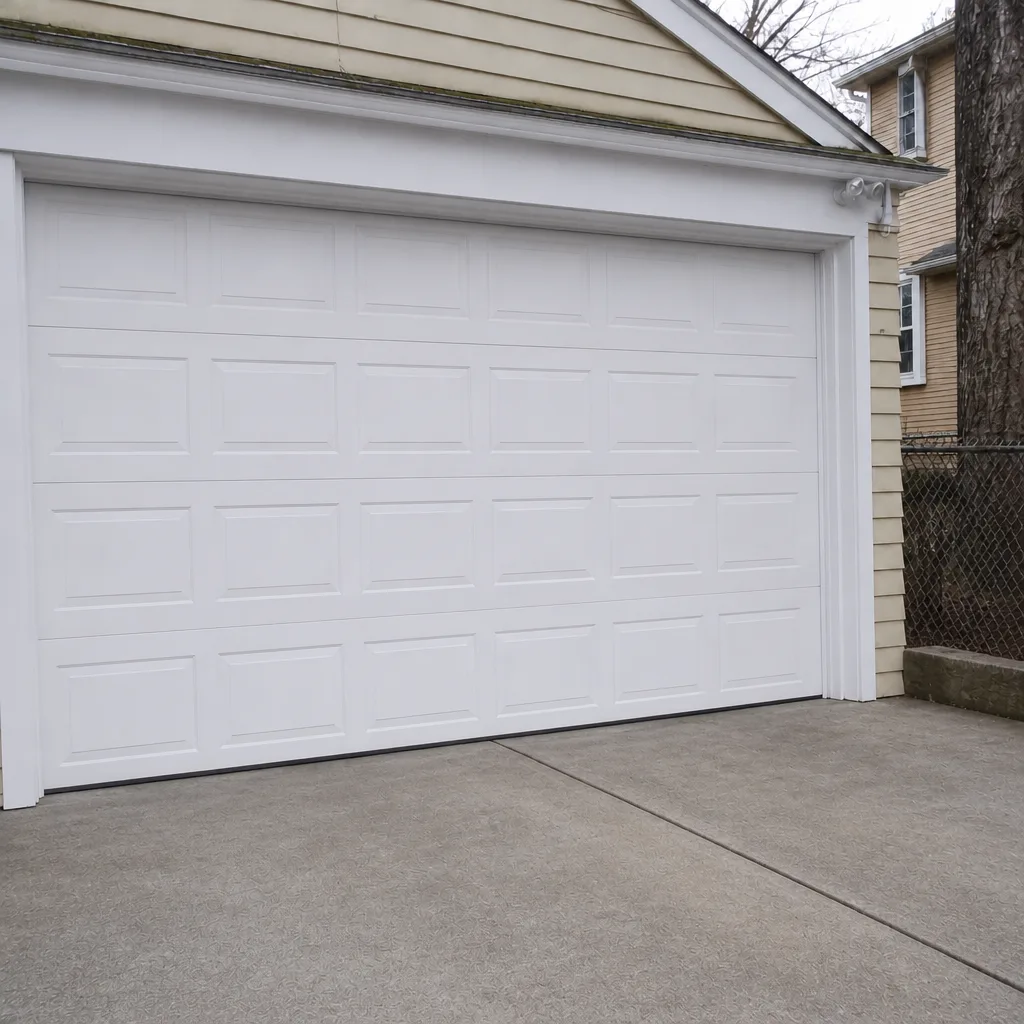 After
Frequently Asked Questions
Four times a year, timed to the seasons: a major prep in October, a cold-weather check in winter, a corrosion inspection in spring, and a heat and opener check in summer. A 15-minute walk-around each season catches most problems before they become repairs. Call (844) 793-4614 for a free estimate if anything you find worries you.
Water gets under the bottom seal and refreezes, bonding the rubber to the concrete slab. A compromised or flattened seal makes it worse. Free the seal gently before running the opener, and inspect the seal before the first freeze in October. Call (844) 793-4614 if the door won’t free without real force.
Light surface rust is cosmetic, but pitting, flaking or a coil that sheds a layer is structural and a warning sign of fatigue. Torsion springs are under extreme tension, so never adjust or replace one yourself. Call (844) 793-4614 for a free estimate and a professional assessment.
Yes. An uninsulated Somerville garage can bake at 100-plus degrees in July, and that heat stresses the motor windings, circuit board and gearbox lubrication over successive summers. Ventilation and insulation reduce the load, and servicing the opener early prevents failure. Call (844) 793-4614 for a free estimate.
You can safely lubricate, wipe down surface rust, test the safety reverse and free a frozen seal. Spring, cable and track work belongs to a trained technician. Call (844) 793-4614 if you’re unsure where the line is. Estimates are free.
October. The window between the last mild day and the first hard freeze is when you can still work in an unheated garage and prevent the three most common winter failures: frozen seals, stiff springs and cold-weather opener problems. Call (844) 793-4614 for a free estimate if you’d rather have it checked professionally.
The Bottom Line
Seasonal care isn’t a chore list; it’s a way of understanding what each task prevents. October prep stops winter failures. A gentle winter approach to frozen seals saves your opener and your springs. Spring corrosion inspection catches structural damage while it’s still cheap. Summer attention protects the opener from heat. And the 15-minute walk-around habit is what ties it all together. A door that moves every day deserves a specialist, and the routine jobs are what keep it moving without a call at the worst possible moment. When you’re ready to schedule a seasonal inspection in Somerville, or when something’s not right, we’re here.
Whether it’s a routine seasonal check or a door that’s stopped working, Somerville Garage Door Repair Pros covers repair, opener work, spring repair and full installation as core services, with the same crew. Call (844) 793-4614 for a free estimate. We answer 24/7. Fast dispatch from 7am to 7pm, Sunday through Friday.
Written by the team at Somerville Garage Door Repair Pros.