
Last updated November 22, 2026
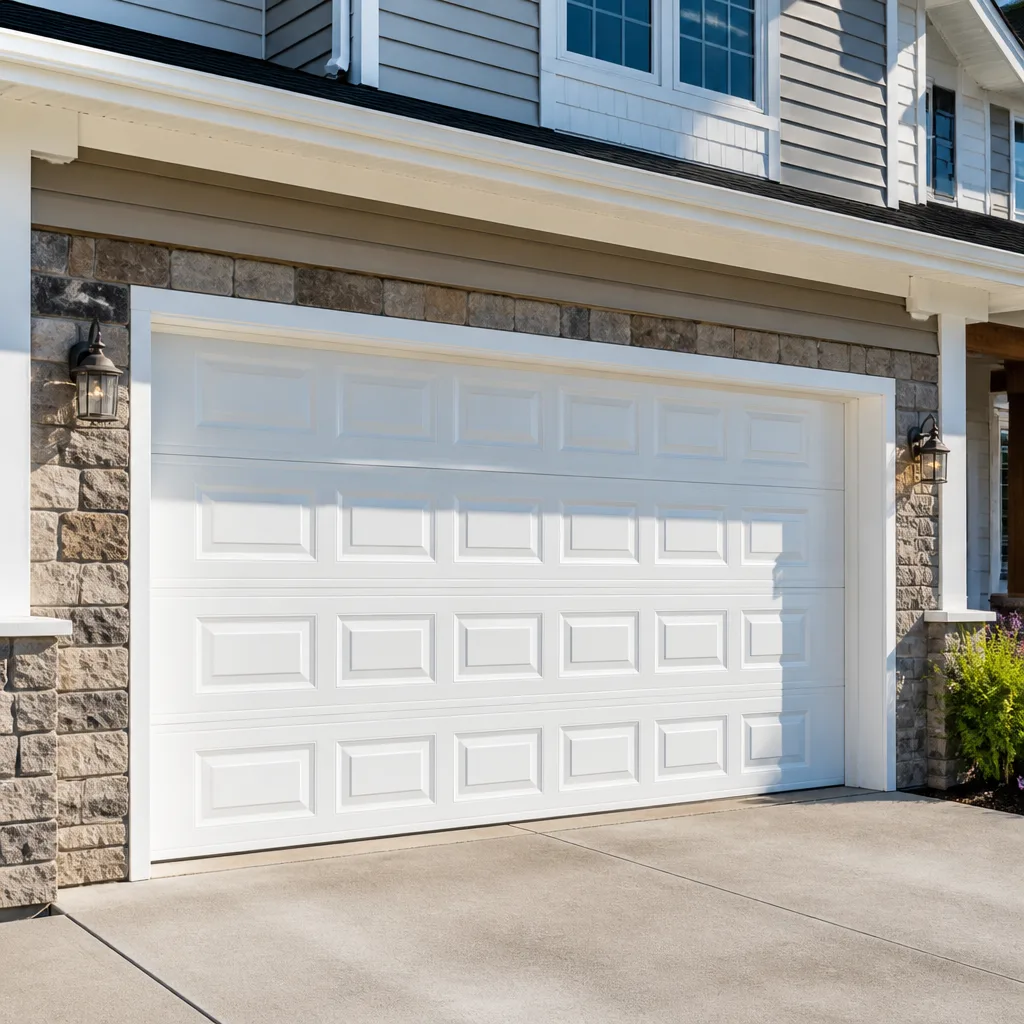 Raised-panel steel
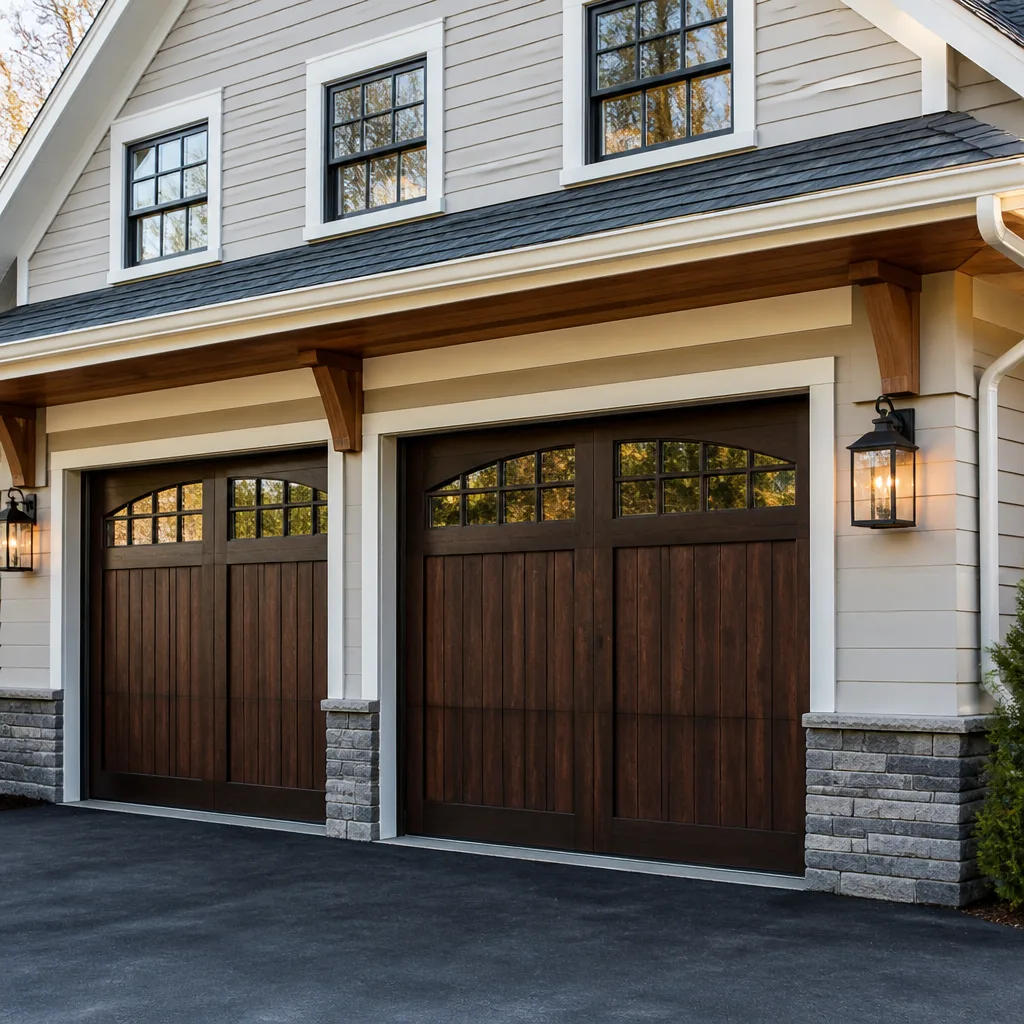 Carriage house
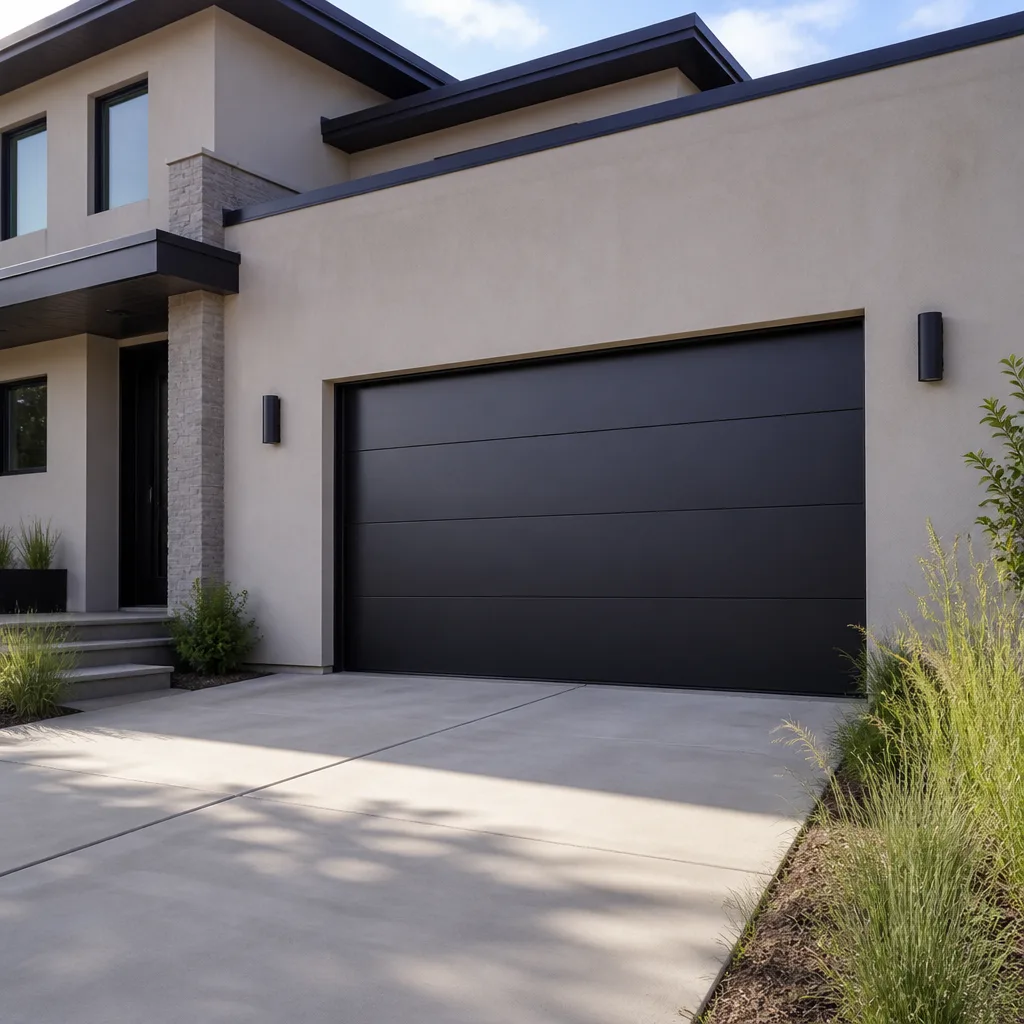 Modern flush
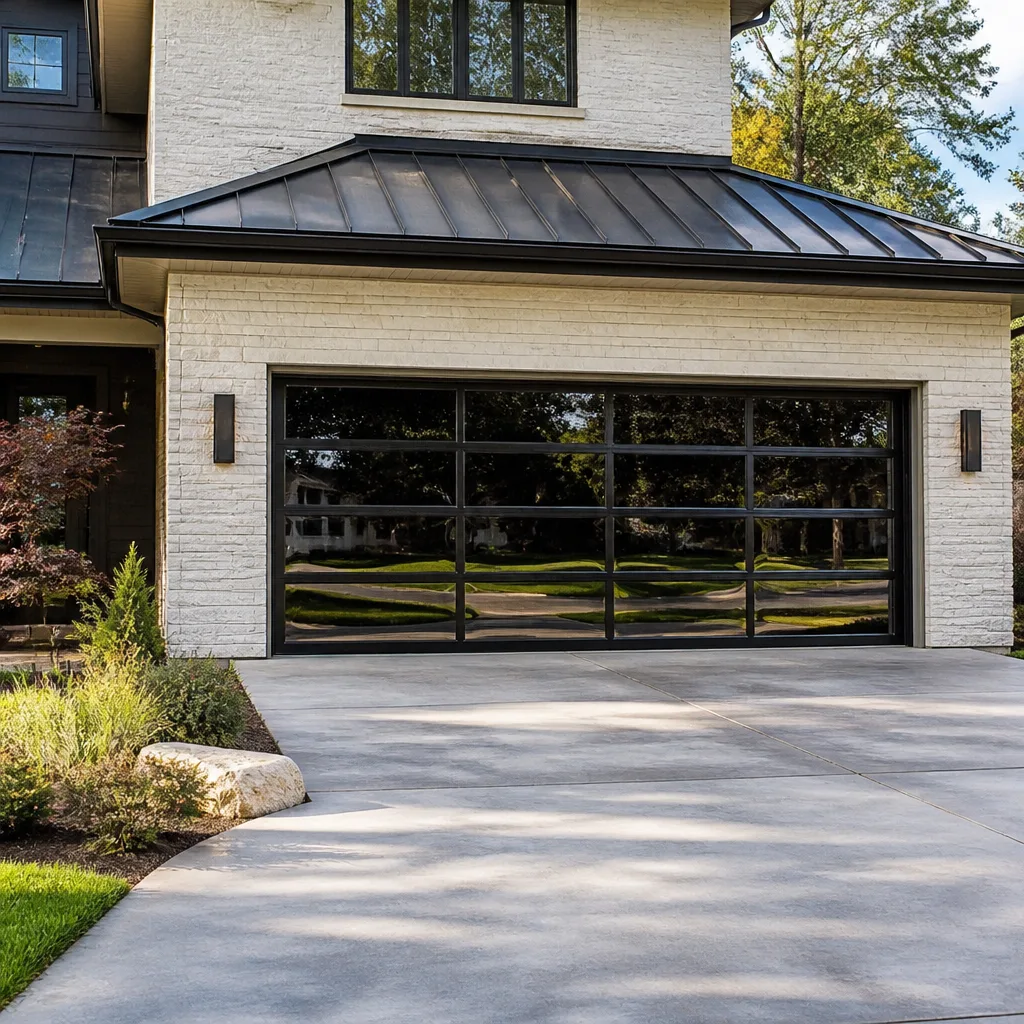 Full-view glass
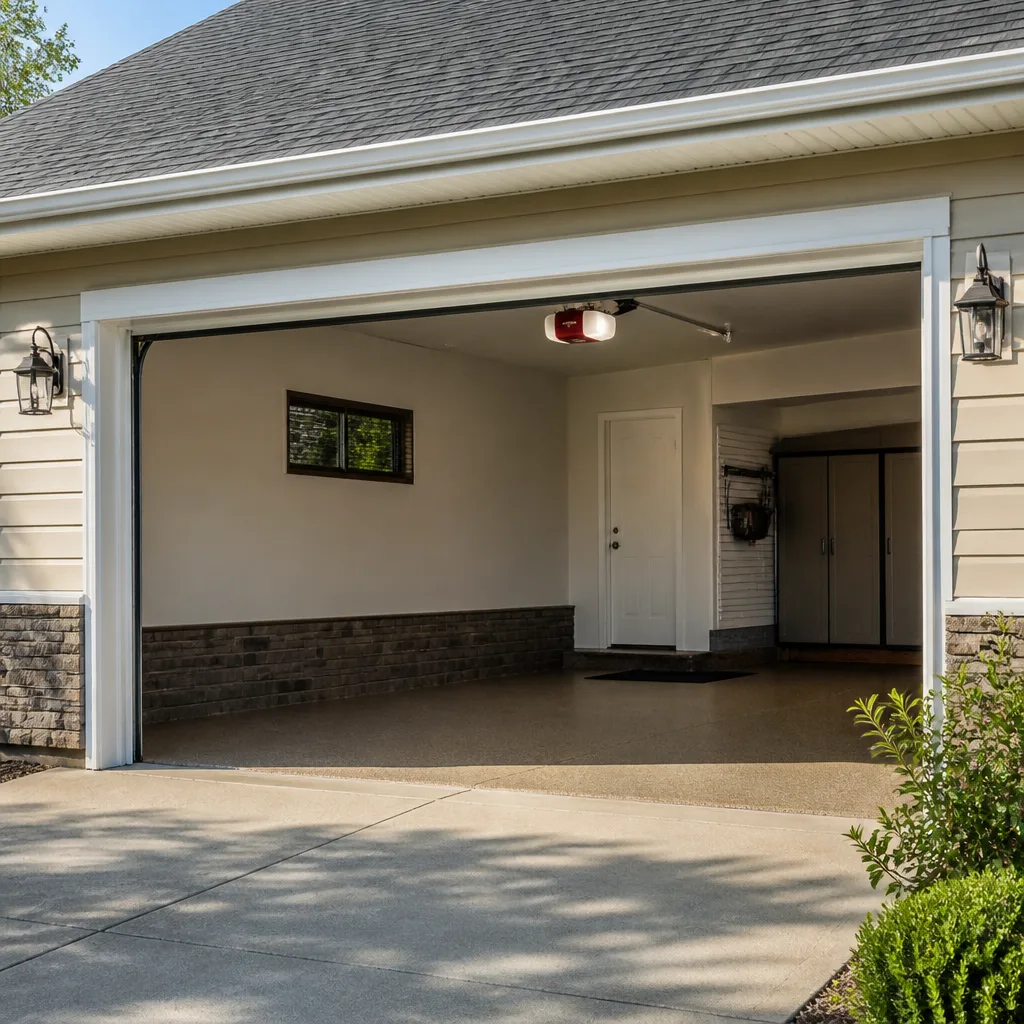 LiftMaster openers
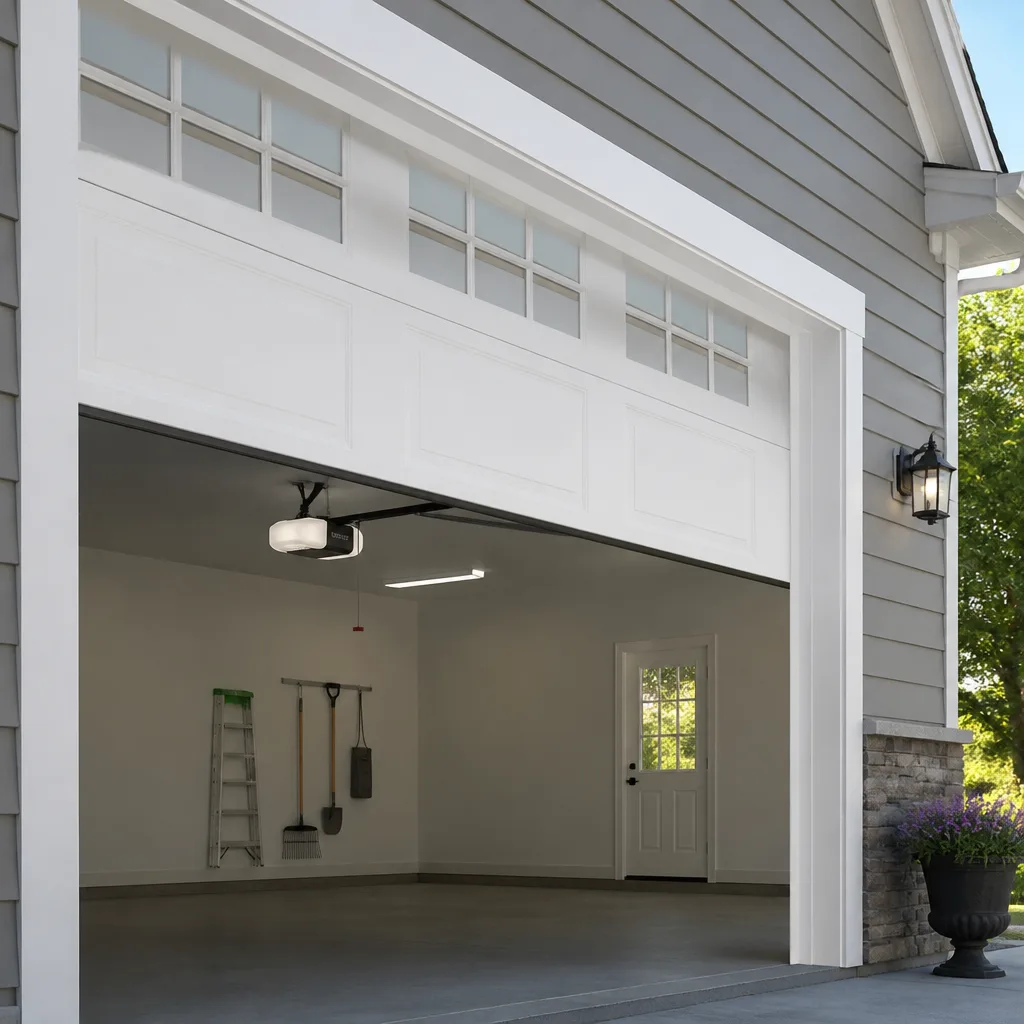 Chamberlain openers
Full 25-point door and opener safety check with every visit - springs, cables, rollers, tracks, and your LiftMaster or Chamberlain opener included
You get a price before we start. It does not change when the pro arrives.
Get your free estimateChoosing the Right Garage Door Brand: A Buyer’s Guide for Somerville
Most garage door brand comparisons online are written by people who’ve never hung a door. They rank models by spec sheet, quote list prices, and call it a buying guide. Here’s the problem: a Clopay door that performs beautifully in a Nashville suburb behaves differently in a Somerville triple-decker with an unheated garage bay and direct winter exposure. Brand choice doesn’t start with a chart. It starts with your conditions – your building, your climate, how you actually use the door. This guide walks through what holds up in Somerville, what underperforms, and how to match construction to your specific situation. You’ll learn how to read a warranty, calculate the right R-value, and avoid paying for curb appeal nobody sees.
Quick Answer
The best garage door brand for most Somerville homes is one whose construction matches your building type and climate exposure, not the brand with the biggest national market share. For attached garages in Somerville’s older housing stock, a steel door with a higher R-value and a factory finish rated for humidity swings will outperform a cheaper door with better marketing. Clopay, Amarr, and Wayne Dalton all make models that work well here, but the specific model and construction matter far more than the logo on the door.
Styles & brands we work with
- Raised-panel steel
- Carriage house
- Modern flush
- Full-view glass
- LiftMaster openers
- Chamberlain openers
Table of Contents
- Why National Brand Charts Mislead Somerville Buyers
- How to Match Door Construction to Somerville’s Climate
- Brand Strengths and Weaknesses for Somerville Installs
- Why R-Value Matters More in Attached Garages
- What “Lifetime Warranty” Actually Covers
- Evaluating Aesthetics in Somerville’s Architectural Context
- When to Replace vs. Repair Your Existing Door
Why National Brand Charts Mislead Somerville Buyers
National brand rankings are built on sales volume and broad climate averages. Somerville doesn’t live in an average. The city’s housing stock includes Victorian triple-deckers, brick row houses, converted carriage houses, and new condo buildings, and each type puts different demands on a garage door. A door that scores well in a national review might be the wrong fit for an unheated garage bay under a triple-decker where temperatures swing hard between seasons.
The bigger issue is that most comparison sites are affiliate-driven. They earn a commission when you click through to a retailer, so the ranking rewards whoever pays the highest referral fee, not whoever builds the most durable door for your building. That’s not a conspiracy; it’s just how the business works. But it means you should read those charts as shopping directories, not engineering assessments.
In our experience working on doors across Somerville, the brand matters less than three things: steel gauge, insulation type, and finish quality. A well-built door from a mid-tier brand will outlast a poorly specified door from a premium brand every time. We’re factory-familiar with eight major brands – LiftMaster, Chamberlain, Genie, Clopay, Amarr, Wayne Dalton, Craftsman, and Raynor – and we diagnose by brand-specific behavior rather than guesswork. That familiarity is useful for repair, but for buying decisions, construction always comes before brand loyalty.
Here’s what to focus on instead of the brand chart:
- Steel gauge: Lower numbers mean thicker steel. A 24-gauge door dents more easily than a 27-gauge door. For high-use doors in Somerville, thicker is worth the cost.
- Insulation type: Polyurethane foam outperforms polystyrene beadboard. The difference shows up in both R-value and structural rigidity.
- Finish system: Factory-applied finishes with a baked-on polyester coating resist humidity swings better than field-painted doors.
- Hardware quality: Hinges, rollers, and track gauge vary significantly between brands and even between model lines within the same brand.
How to Match Door Construction to Somerville’s Climate
Somerville’s climate is hard on garage doors. Winters bring freeze-thaw cycles that work on every seam and joint. Summers bring humidity that swells wood and stresses steel finishes. And because many Somerville garages are attached to living space or tucked under a main floor, the door is often the thinnest thermal barrier in the building envelope.
Start with the garage type. Detached garages – still common behind Somerville’s triple-deckers and along the alleys off Highland Avenue and Summer Street – are unconditioned. The door there faces full weather exposure with no buffer. Attached garages under porches or integrated into the house share at least one wall with living space, which changes everything about how much insulation value you need.
Next, look at the door’s exposure direction. A door facing north takes less direct sun but holds moisture longer. A door facing south bakes in summer and goes through more thermal expansion. West-facing doors catch the worst of summer afternoon heat. This matters less for steel than for wood or wood-composite doors, which move more with moisture and temperature.
Finish type matters as much as material. Factory-baked finishes hold up better than field-painted doors in Somerville’s humidity. If you’re choosing between a door with a premium factory finish and one that will need repainting, the factory finish usually wins on long-term cost, even if the initial price is higher.
Here’s a simplified way to think about construction choices for Somerville:
- Detached, unheated garage: Steel door, 24-25 gauge, polystyrene or polyurethane insulation, factory finish. You don’t need maximum R-value, but you do need weather resistance.
- Attached garage under living space: Insulated steel door, 24 gauge or better, polyurethane core, higher R-value. The door is part of your thermal envelope.
- Carriage-house conversion or historic structure: Steel or composite door sized to the existing opening, with a finish and panel style that fits the building. Custom sizing may be required.
- Modern condo building: Insulated steel or aluminum door with a clean panel profile. Prioritize durability and low maintenance over historic style matching.
Brand Strengths and Weaknesses for Somerville Installs
We work with Clopay, Amarr, Wayne Dalton, and other major brands regularly, and each has models that perform well in Greater Boston conditions. The differences show up in how they handle cold, how their finishes age, and how easy they are to service when something fails.
Clopay
Clopay is the largest residential garage door manufacturer in the country, and their model range is broad enough to cover almost any Somerville installation. Their insulated steel doors, particularly the Avante and Bridgeport lines, hold up well in cold climates. The factory finish on their steel doors resists humidity swings better than some competitors. The weakness: Clopay’s entry-level models use thinner steel and lower-density insulation, so the brand name alone doesn’t guarantee quality. You have to look at the specific model. When a Clopay door needs garage door repair, parts are widely available, which keeps service straightforward.
Amarr
Amarr builds solid steel doors with good insulation options, and their Classica and Heritage lines are common in New England. Amarr’s strength is value: their mid-tier doors often match Clopay’s specs at a lower price point. The trade-off is that Amarr’s dealer network is smaller, so parts availability can be slower for less common models. If you’re choosing Amarr, stick with their more widely distributed lines. Their finishes hold up well in Somerville’s humidity, and the panel construction is rigid enough for high-cycle daily use.
Wayne Dalton
Wayne Dalton’s Thermospan and Classic Steel lines are popular in Somerville because they’re well-insulated and reasonably priced. Their foam-core doors deliver good R-values for attached garages. The weak point is hardware: Wayne Dalton’s proprietary hardware sometimes complicates repairs because it isn’t interchangeable with standard parts. When a Wayne Dalton door needs service, the technician needs to know the brand specifically. That’s not a dealbreaker, but it’s worth knowing before you buy. Their finishes are decent but not the best in class.
Raynor and LiftMaster
For openers, LiftMaster and Raynor are both common in Somerville, and both are reliable. LiftMaster’s smart connectivity and battery backup options are useful for homeowners who want their door tied into a home automation system. Raynor openers are straightforward and durable, with fewer smart features but solid mechanical reliability. We handle garage door opener repair on both brands, and the diagnostic approach differs by brand – LiftMaster’s circuit boards and connectivity modules behave differently from Raynor’s simpler control systems.
CHI
CHI is worth mentioning for Somerville buyers considering a full-door replacement. Their carriage-house style doors work well on converted outbuildings and older homes where a traditional raised-panel look fits the architecture. CHI’s pricing sits in the mid-range, and their finishes are durable. They’re less common than Clopay or Amarr, so parts availability for repairs can be slower, but for a new installation, they’re a solid option.
Why R-Value Matters More in Attached Garages
R-value measures thermal resistance. Higher R-value means the door resists heat transfer better. In a detached garage, R-value barely matters – you’re not heating the space anyway. In an attached garage, it matters a lot.
Here’s the logic. If your garage shares a wall or a floor with conditioned living space, heat moves through that shared surface. An uninsulated garage door acts like an open window in winter, pulling heat out of the garage and, by extension, out of the rooms above or beside it. The door becomes part of your building envelope whether you intended it to or not.
Most Somerville homes with attached garages have the garage under the main floor or integrated into the building’s footprint. That means the garage ceiling or shared wall is a thermal boundary. If the door is uninsulated, you’re losing heat through it all winter. If the door has a reasonable R-value, you reduce that loss.
How much R-value do you need? For an attached garage in Somerville, an R-value of 9 to 12 is a reasonable target for an insulated steel door. Higher R-values exist, but the returns diminish once you’re past R-12 for a garage door. The bigger gains come from sealing air leaks around the door perimeter and making sure the weatherstripping is intact.
One caveat: R-value claims vary by measurement method. Some manufacturers rate the center of the panel; others rate the whole door including thermal bridges at the frame. A door rated R-16 by center-of-panel measurement might perform closer to R-9 as a whole assembly. When comparing brands, ask how the R-value was measured. If the answer isn’t clear, treat the number as optimistic.
For detached garages in Somerville, R-value is a nice-to-have, not a priority. Spend the money on thicker steel and better hardware instead. The door will last longer, and you won’t notice the insulation difference in an unconditioned space.
What “Lifetime Warranty” Actually Covers
Lifetime warranty sounds straightforward until you read the fine print. For garage doors, “lifetime” is usually a set of separate warranties bundled under one marketing label, and each piece covers different things for different lengths of time.
Here’s what to check:
- Paint and finish warranty: Usually the longest, often a true lifetime warranty. Covers peeling, cracking, and excessive fading. Excludes damage from salt, chemicals, or improper cleaning.
- Panel warranty: Covers structural failure of the panel itself. Usually limited to 10-20 years. Excludes dents, impact damage, and anything that happens after the door is hit.
- Hardware warranty: Hinges, rollers, and track. Often 3-5 years. This is the shortest warranty on the door and the part most likely to fail first.
- Spring warranty: If springs are included, usually 3-7 years. Springs are wear items and fail from cycle count, not manufacturing defects, so warranties are limited. garage door spring repair is a core service for us because springs fail more than any other component.
- Labor warranty: Almost always separate and much shorter than the product warranty. One year or less is common.
The key question to ask before buying: who honors the warranty, the manufacturer or the dealer? Some brands offer strong warranties but make claims difficult, requiring original receipts, proof of professional installation, and detailed documentation. Others are more straightforward. Read the actual warranty document, not the summary on the showroom display.
One more thing: warranty coverage usually depends on proper installation. If the door is installed incorrectly, the manufacturer can decline the claim. That’s one reason professional installation matters – not just for the door’s performance, but for keeping the warranty valid.
Evaluating Aesthetics in Somerville’s Architectural Context
Somerville’s architecture is diverse. A Victorian triple-decker, a brick row house, a converted carriage house, and a new condo building all call for different door styles. Getting the look right matters, but not every street rewards the investment equally.
On streets where garages face the road or sit at the end of a visible driveway, the door’s appearance contributes to curb appeal. On streets where garages are tucked behind buildings or accessed from alleys, almost nobody sees the door except you. In that case, spend the money on construction quality instead of decorative hardware and premium panel styles.
For a Victorian triple-decker, a carriage-house style door with recessed panels and subtle window inserts fits the building’s character. A modern raised-panel door looks out of place. For a brick row house, a simple raised-panel steel door in a color that complements the brick works better than an ornate carriage style. For a modern condo building, a clean, flat-panel door in a neutral color is the right call.
Here’s a practical way to think about aesthetics without overspending:
- Is the door visible from the street? If yes, spend on style. If no, spend on durability.
- Does the building have historic character? If yes, choose a door style that respects it. If it’s a modern building, prioritize clean lines.
- Will you see the door every day? If it’s your primary entry, a door you like looking at is worth a modest premium. If it’s an alley-access garage you use twice a week, it isn’t.
- Can you add windows later? Some door styles allow window inserts; others don’t. Choose accordingly if natural light in the garage matters to you.
When assessing door aesthetics, we look at how the door’s style interacts with the building’s architecture, not just the door on its own. A door that looks great in a showroom can look wrong on a triple-decker. If you’re considering a new installation, an on-site evaluation helps more than a catalog.
When to Replace vs. Repair Your Existing Door
Not every door problem requires a new door. Some do. The decision comes down to the door’s age, the extent of the damage, and whether the cost of repair approaches the cost of replacement.
Repair makes sense when the door’s panels and structure are sound and the problem is mechanical – a broken spring, a failed opener, a bent track, worn rollers. These are fixable, and a well-maintained door can last decades. We handle spring repair and opener issues as core services because those are the most common mechanical failures.
Replacement makes sense when the door has structural damage, extensive rust, delamination, or multiple panel failures. It also makes sense when the door is so poorly insulated that it’s costing you heating energy in an attached garage. And it makes sense when the door’s style clashes badly with the building – though that’s an aesthetic call, not a functional one.
For Somerville homeowners weighing the decision, here’s a rough framework:
- Single component failure (spring, opener, roller, track): Repair.
- Multiple panel dents or structural damage: Replacement is usually more cost-effective than panel-by-panel repair.
- Rust at the bottom section: If it’s surface rust, repair and refinish. If it’s structural rust through the steel, replace the section or the door.
- Door operates but is noisy or uneven: Likely a repair issue – worn rollers, misaligned track, or a failing spring.
- Door is 20+ years old with multiple issues: Replacement is usually the better investment, especially if the door is in an attached garage and uninsulated.
We offer free estimates for both repair and installation in Somerville, and the written estimate sets the final price. If repair is the right call, we’ll say so.
Common Mistakes to Avoid
- Choosing a brand based on national rankings alone. National charts reflect sales volume and affiliate commissions, not how a door performs in Somerville’s climate. Look at the specific model’s construction before the brand name.
- Ignoring R-value on attached garages. If your garage shares a wall or floor with living space, an uninsulated door is a heat leak. Don’t treat insulation as an optional upgrade on attached garages.
- Trusting “lifetime warranty” without reading the fine print. Paint, panels, hardware, and springs are usually covered by separate warranties with different terms. Ask which document covers what before you buy.
- Overpaying for curb appeal on an alley-access garage. If nobody sees the door, spend the money on thicker steel and better hardware instead of decorative panels.
- Skipping the on-site measure. Garage door openings vary, especially in older Somerville homes. A door ordered from a nominal size can arrive and not fit. Always get a professional measure before ordering.
- Hiring a general handyman for spring work. Torsion springs are under high tension and can cause serious injury if handled incorrectly. This is a job for a trained garage door technician, not a general contractor.
- Assuming a new door fixes opener problems. A worn opener can damage a new door. If your opener is old or failing, address it during the installation, not after.
See the difference
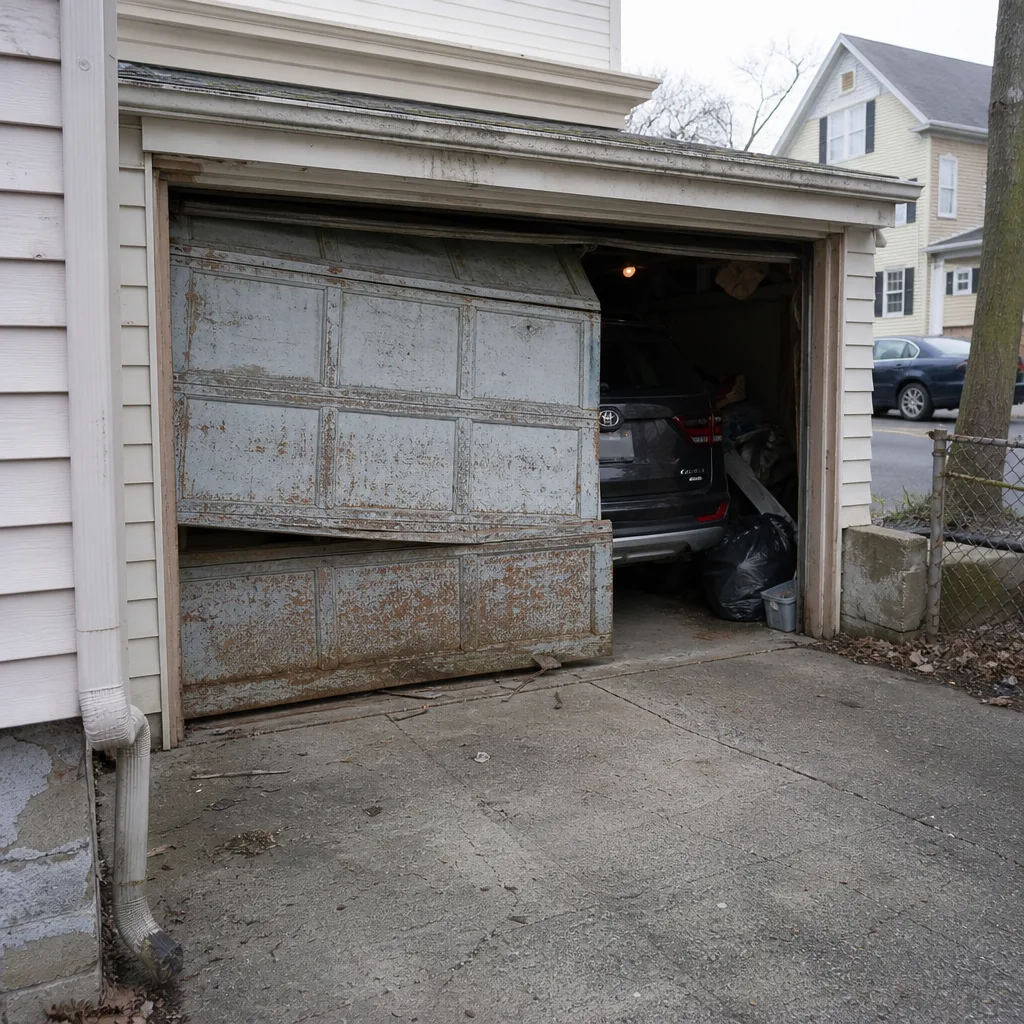 Before
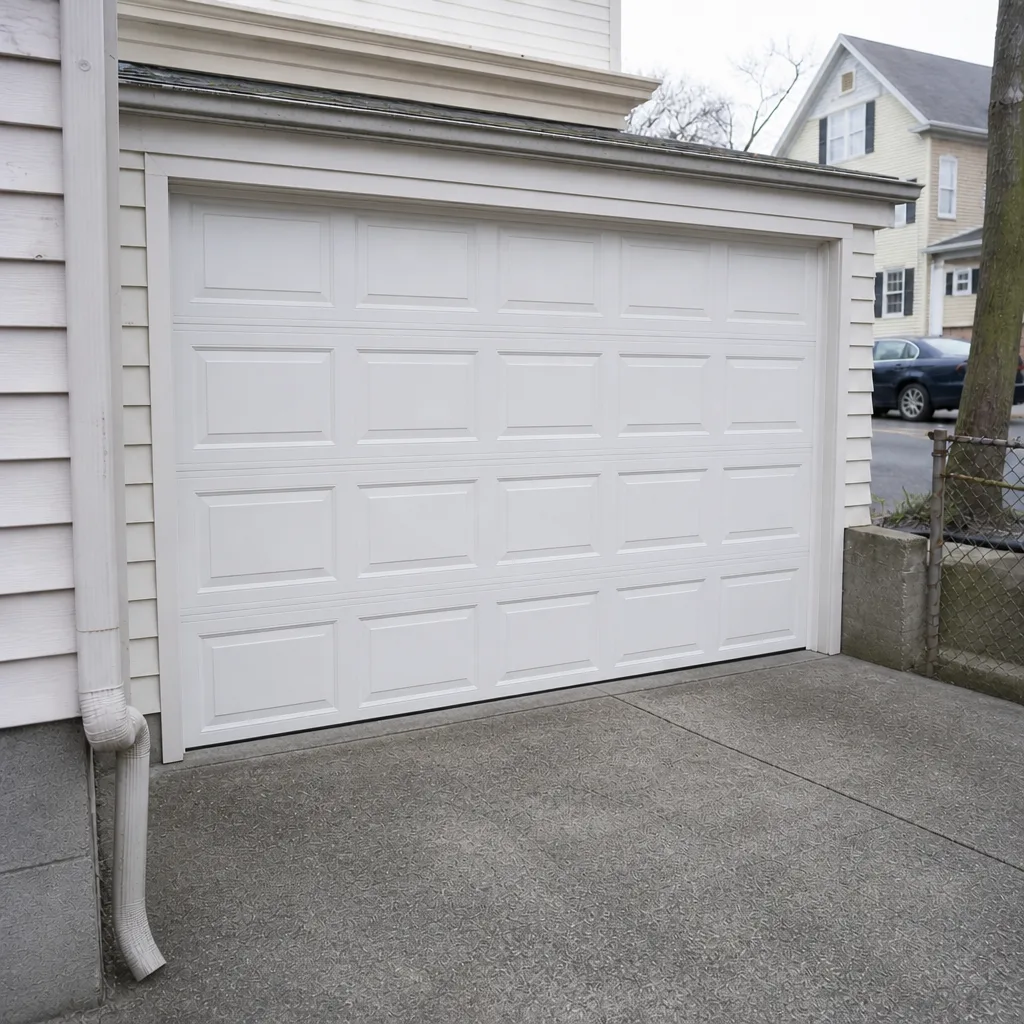 After
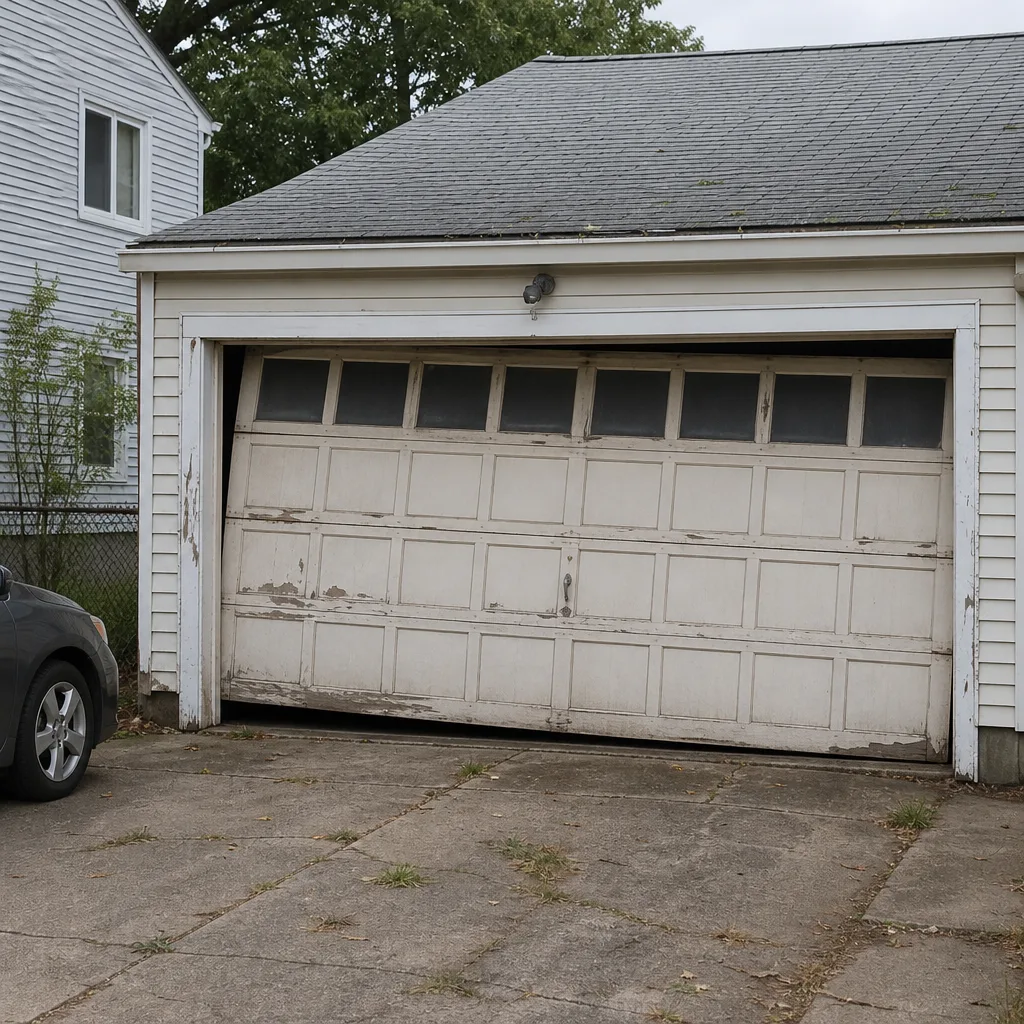 Before
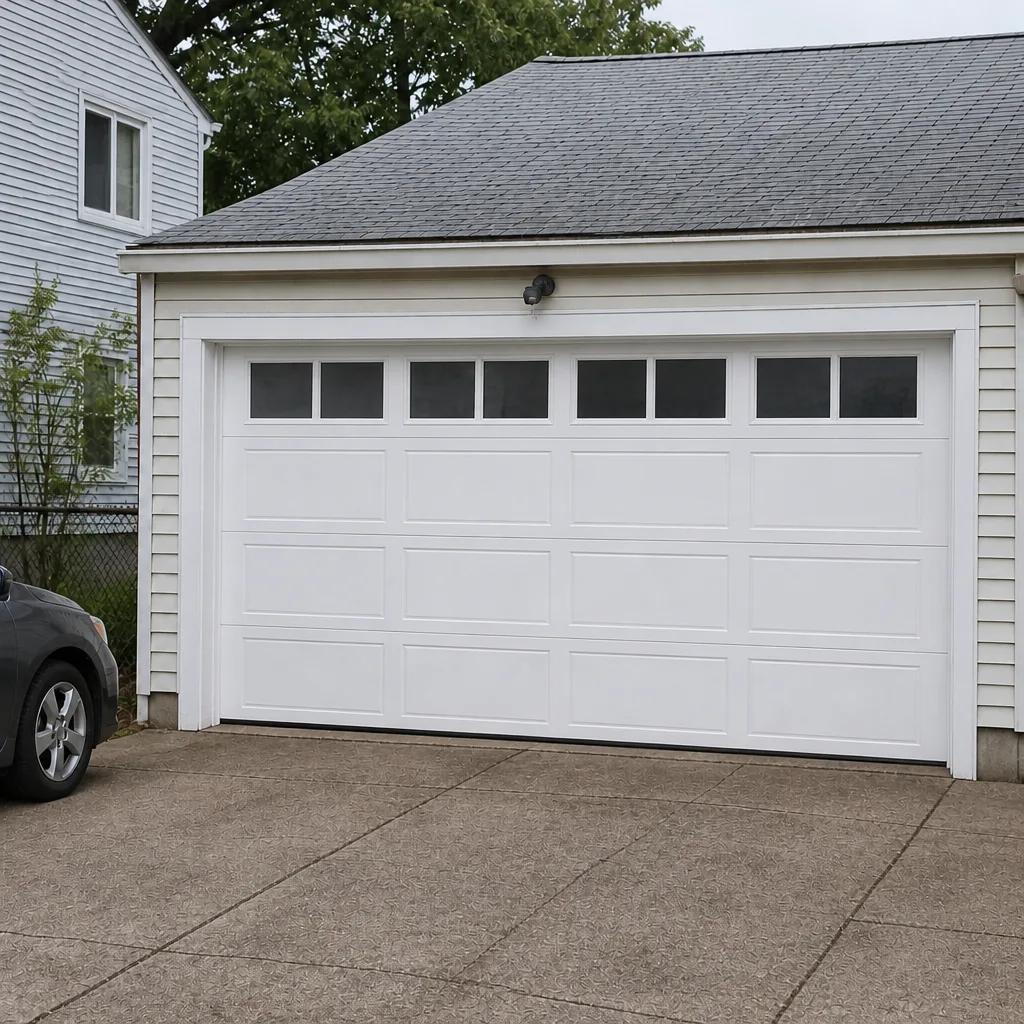 After
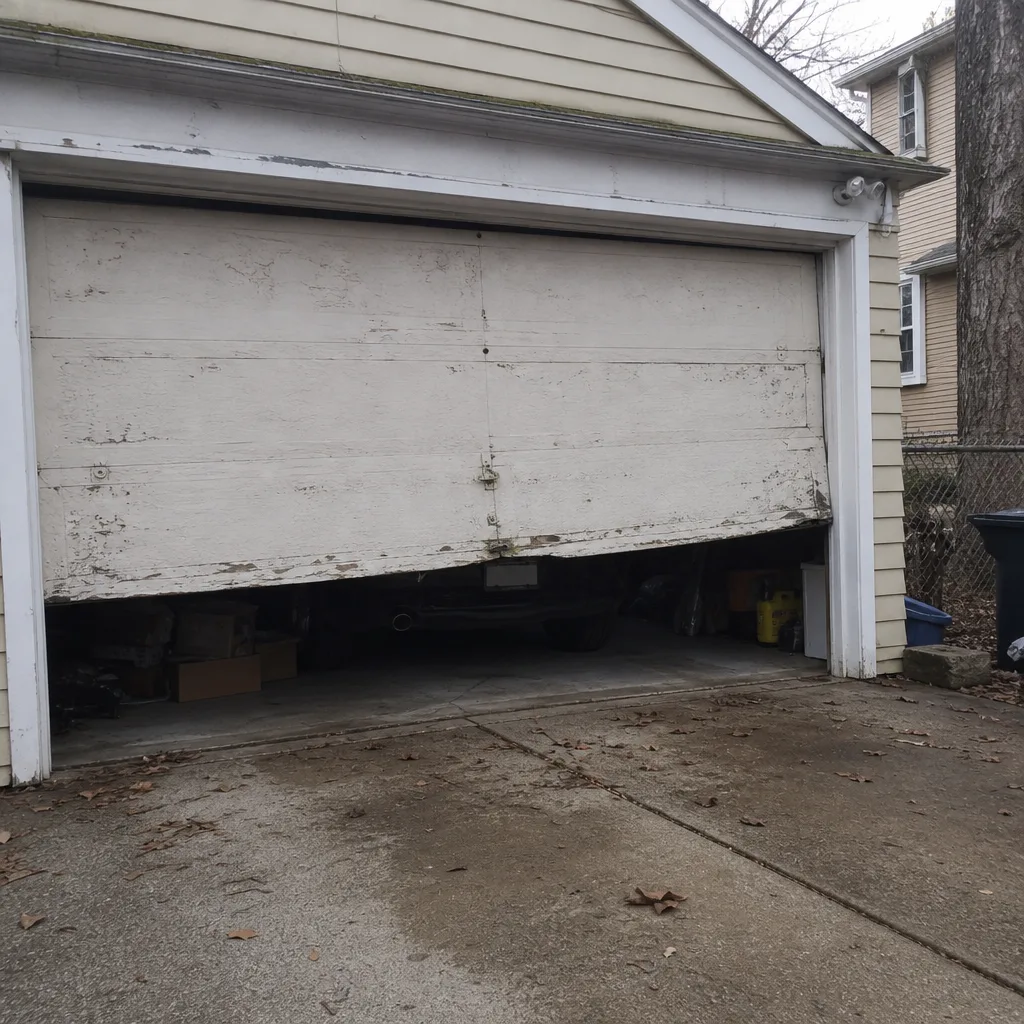 Before
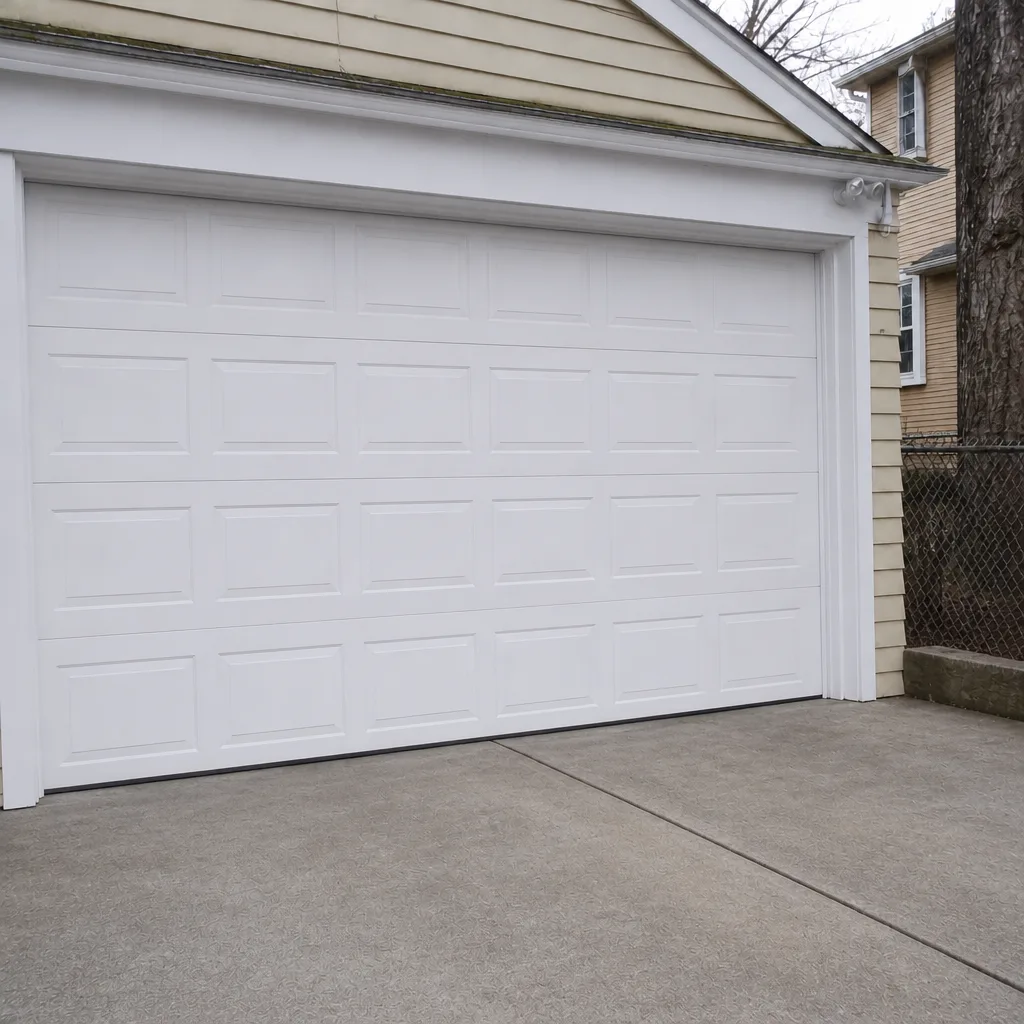 After
When to Call a Professional
Some garage door work is safe to handle yourself: lubricating hinges, replacing weatherstripping, tightening bolts. Much of it isn’t. Torsion springs, cables, and the structural components that hold the door’s weight under tension are genuinely dangerous. If a spring breaks, a cable snaps, or the door comes off its track, stop and call a trained technician. Don’t try to force the door open or attempt a DIY spring replacement.
Beyond safety, call a professional when the door’s operation changes noticeably – it opens unevenly, reverses unexpectedly, or makes new noises. These early signs usually mean a fixable problem, and addressing them early prevents more expensive damage. Our technicians have up to 11 years of experience, and we handle spring repair, opener repair, and full installations in-house. Somerville Garage Door Repair Pros offers free estimates in Somerville. Call (844) 793-4614. We answer 24/7. Fast dispatch from 7am to 7pm, Sunday through Friday.
Frequently Asked Questions
Clopay, Amarr, and Wayne Dalton all make models that perform well in Somerville’s climate, but the specific model matters more than the brand. For attached garages, choose an insulated steel door with an R-value of 9 to 12 and a factory finish. For detached garages, prioritize thicker steel and better hardware over insulation. Call (844) 793-4614 for a free estimate on a new door.
Garage door installation in Somerville typically runs $900 to $3,500 depending on door size, insulation, and style, with the written estimate setting the final price. A basic uninsulated steel door sits at the low end; an insulated carriage-house style door for a triple-decker sits at the high end. Installation and opener replacement are priced separately. Call (844) 793-4614 for an exact quote – estimates are free.
Permit requirements vary by project and by how the work is classified, so ask the city’s building department before scheduling installation. Structural changes almost always require a permit; a like-for-like door swap sometimes doesn’t. Your installer should be able to tell you what’s typically required, but the building department has the final word. Call (844) 793-4614 if you’d like us to walk through the process with you.
For an attached garage in Somerville, aim for an R-value of 9 to 12. Higher values exist, but the energy savings diminish past R-12 for a garage door, and air sealing around the perimeter usually matters more. For a detached garage, R-value is less important than steel gauge and finish quality. Call (844) 793-4614 to talk through your specific setup.
A standard single-door installation takes about 4 to 6 hours; a double door or a door with opener replacement runs longer. Custom-sized doors and doors requiring structural modification can take a full day. Scheduling is measured – installation is a planned job, not a same-day service, so we measure first and confirm the date once the door is ordered. Call (844) 793-4614 for a free measure and written price.
Yes. We work with LiftMaster, Chamberlain, Genie, Clopay, Amarr, Wayne Dalton, Craftsman, and Raynor, and we can identify most doors by panel profile, hardware, and opener model. If your door is an uncommon brand, we’ll tell you what we can source before any work starts. Call (844) 793-4614 and we’ll book a service visit.
The Bottom Line
The right garage door brand for your Somerville home depends on your building type, your climate exposure, and how you use the door, not on which brand tops a national chart. Prioritize construction – steel gauge, insulation, finish, and hardware – over brand loyalty. Match R-value to whether your garage is attached or detached. Read the warranty documents separately, because paint, panels, hardware, and springs are covered by different terms. And spend on aesthetics only where the door is actually visible. For repair, opener work, spring replacement, or a full installation, call (844) 793-4614 for a free estimate. We answer 24/7. Fast dispatch from 7am to 7pm, Sunday through Friday. You can also start with Somerville Garage Door Repair Pros for the full scope of what we handle.
Written by the team at Somerville Garage Door Repair Pros.