
Last updated November 22, 2026
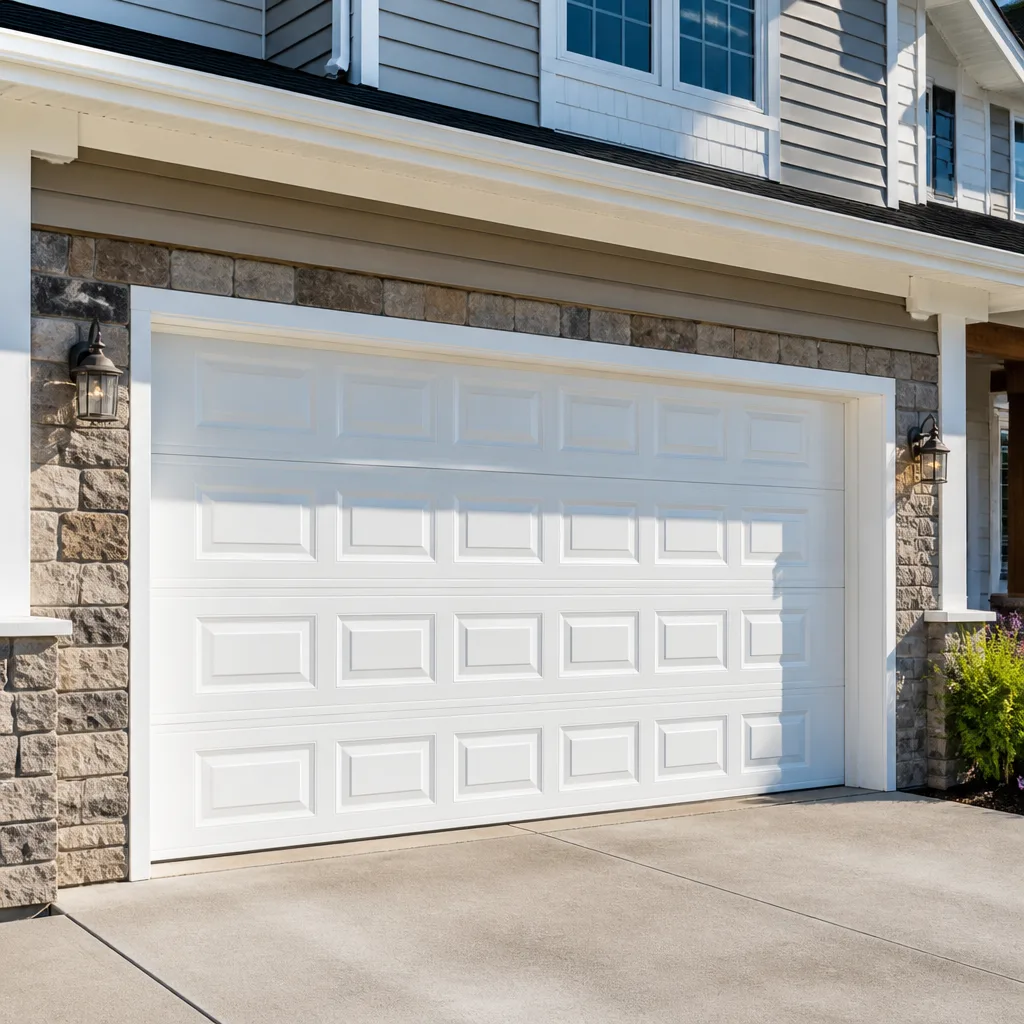 Raised-panel steel
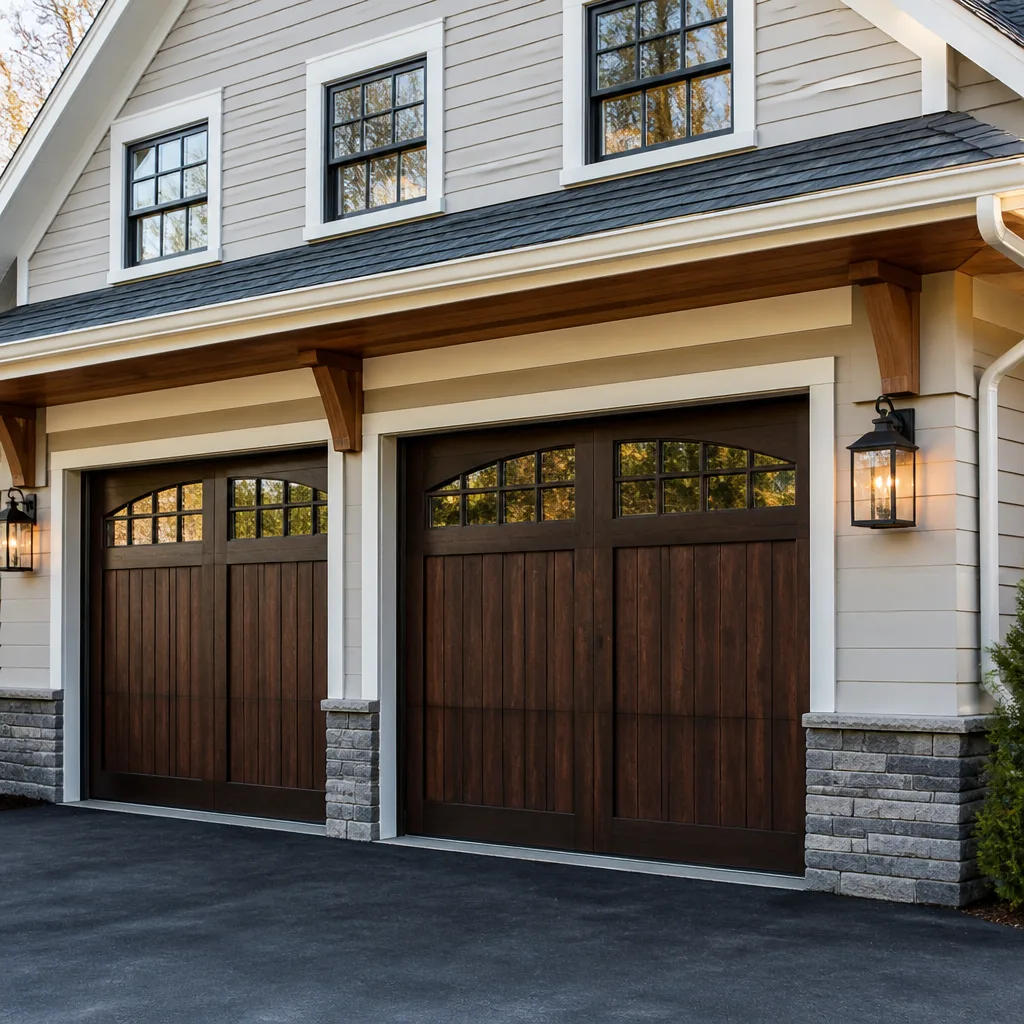 Carriage house
 Modern flush
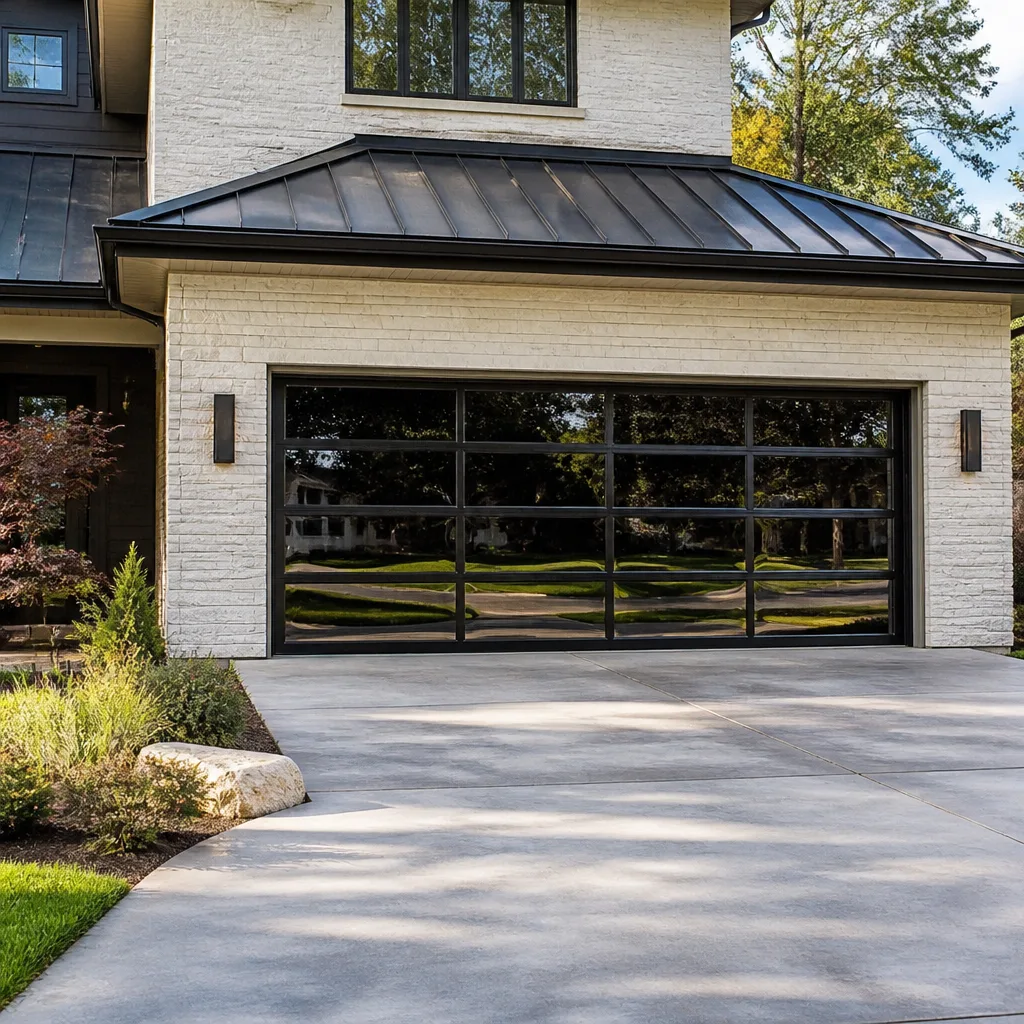 Full-view glass
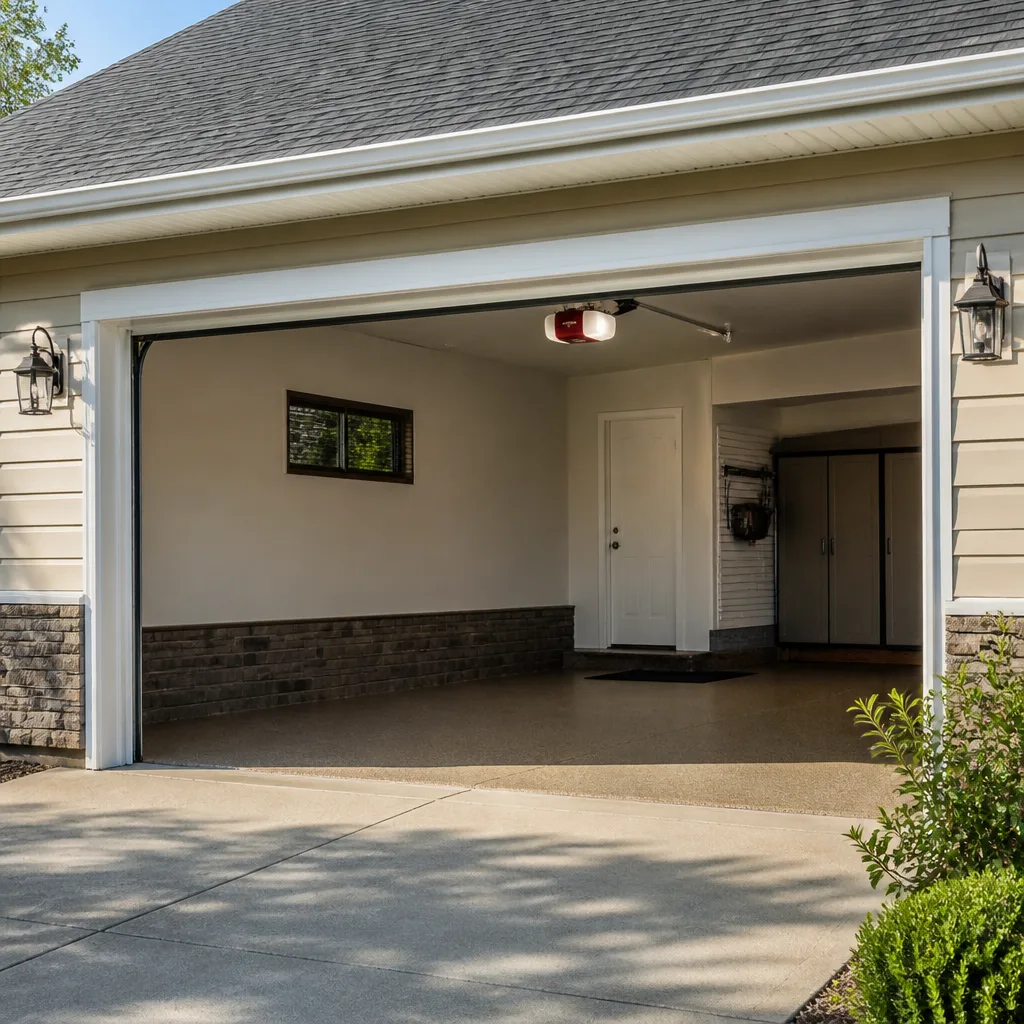 LiftMaster openers
 Chamberlain openers
Full 25-point door and opener safety check with every visit - springs, cables, rollers, tracks, and your LiftMaster or Chamberlain opener included
You get a price before we start. It does not change when the pro arrives.
Get your free estimateGarage Door Permits, Codes & Inspections in Somerville, MA: What You Need to Know
Most homeowners treat a garage door replacement like swapping out a light fixture. New door, old opening, done by lunch. That assumption is where trouble starts. In Somerville, replacing a garage door is a structural and life-safety alteration, and under the Massachusetts State Building Code (780 CMR) that work generally falls into permit territory. Skip it and the problem rarely shows up right away. It shows up years later, when a buyer’s inspector notes a door that doesn’t match the last recorded inspection, and suddenly your closing timeline belongs to the city’s review queue. This guide explains where the repair-versus-replacement line sits, how to pull a permit through Somerville’s Inspectional Services Department, what an inspector actually looks at, and how historic district overlays change the picture.
Quick Answer
In Somerville, replacing a garage door, installing a new opener where none existed, or changing the door’s structural opening almost always requires a building permit through the Inspectional Services Department. Routine repair of an existing door or opener, like replacing a spring, roller, cable, or motor, generally does not. If your home sits in a historic district overlay, exterior appearance may also need sign-off before the permit is issued.
Styles & brands we work with
- Raised-panel steel
- Carriage house
- Modern flush
- Full-view glass
- LiftMaster openers
- Chamberlain openers
Table of Contents
- Repair vs. Replacement: Where the Permit Line Sits
- How to Apply Through Somerville Inspectional Services
- What a Somerville Building Inspector Actually Checks
- Historic District Overlays and Exterior Appearance Review
- What Happens When Work Was Never Permitted
- Permit Cost vs. Retroactive Remediation Cost
- Choosing a Contractor Who Handles the Paperwork
Repair vs. Replacement: Where the Permit Line Sits
The single most useful distinction in this whole topic is the one almost nobody explains clearly: a repair keeps the existing assembly, and a replacement installs a new one. Somerville’s building department draws its permit threshold along that line. If you’re replacing a torsion spring or fixing a snapped cable, that’s maintenance on an existing door. If you’re tearing out the old door and hanging a new one from the same header, that’s new construction in the code’s eyes, even though the opening hasn’t moved.
Here’s the practical breakdown of which work typically needs a permit and which usually doesn’t:
- Replacing the entire garage door with a new door of the same or different design: permit required in most cases.
- Installing a new garage door opener where the opening had none, or upgrading to a new opener on a door that was never permitted: permit required.
- Changing the structural opening, widening or raising a header, moving the door track: permit and often structural review required.
- Replacing a torsion spring, extension spring, cable, roller, hinge, or bottom seal on an existing door: typically no permit.
- Repairing or replacing a worn opener motor or logic board on an existing opener: typically no permit.
- Replacing a weather seal or painting the door: no permit.
The gray zone is a full door swap on a permitted, code-compliant opening. Some municipalities wave that through as maintenance; others require a permit because the door is an exterior, life-safety component. The safest rule for Somerville homeowners is simple: if the door or opener is being replaced rather than repaired, call Inspectional Services and ask. The call takes five minutes and saves a headache later. We’ve handled plenty of garage door repair jobs on Somerville doors where the only question was whether the current opener had ever been permitted in the first place.
How to Apply Through Somerville Inspectional Services
Applying for a garage door permit in Somerville follows the same path as any residential building permit. You start at the Inspectional Services Department, which is part of the city’s public safety and buildings division. You don’t need a lawyer, and you don’t need to be a contractor to start the conversation, but most of the paperwork is easier when a licensed contractor files it.
Here’s the typical sequence:
- Confirm the scope and address with the city. Call Inspectional Services or check the city website to confirm what your specific job needs. Door replacement, opener installation, and structural change each carry different submittal requirements.
- Gather the documents. In most cases you’ll need a permit application, a scope of work, product specifications for the new door or opener (manufacturer cut sheets help), and a site plan or sketch showing the existing opening and proposed work.
- File the application. The licensed contractor on the job usually files on the homeowner’s behalf. If the homeowner files directly, the city may require the contractor’s license number on the application.
- Pay the fee. Somerville’s permit fee schedule is set by the city and scales with project valuation. It’s published, so you can see the exact number before you commit.
- Wait for plan review. Simple single-door replacements typically clear review faster than jobs that touch the header or the structure. Ask the permit clerk for the current turnaround before you book installation.
- Schedule the inspection after the work. The permit isn’t complete until the inspector signs off. That final inspection is what protects you at resale.
Timelines vary with city workload, but the plan review process for a straightforward residential door replacement is measured in days, not weeks. The moment the inspection is scheduled, the door is ready to hang. The trap is installing the door before the permit is issued; inspectors can and do flag work done ahead of authorization, and retroactive approval is never guaranteed.
What a Somerville Building Inspector Actually Checks
Homeowners often imagine the inspector is looking only at the door itself. In practice, a Somerville garage door inspection covers the whole assembly: the structure holding the door up, the safety features on the opener, and the seals that protect the living space from exhaust and weather. Here’s what typically comes up.
- Header and track support. The inspector checks that the header is sound, that the new door’s weight is within what the header can carry, and that the track is anchored to framing rather than drywall alone. Somerville’s older housing stock often means century-old dimensional lumber, which inspectors scrutinize closely.
- Opener safety reversal. Any door with an automatic opener must pass the safety reversal test. The opener should reverse when the door meets an obstruction, and the photoelectric safety eyes should stop and reverse the door when the beam is broken. This is a life-safety item, not a courtesy check.
- Bottom seal and weather sealing on attached garages. If the garage is attached to the house, the inspector looks at how the door seals against the opening. The seal matters for weather, air, and vehicle exhaust, and it’s often the fastest fail in a rushed install.
- Labeling and specifications. The installed door and opener should match what’s on the approved permit. If you specified a Clopay or Amarr door on the permit and hung something else, the inspector will catch it.
- Springs, cables, and anchoring. The inspector doesn’t test a spring the way a technician does, but they look for proper anchoring, correct cable routing, and any sign the installer improvised. Torsion springs are under enormous tension, and inspectors treat them as life-safety hardware, not a minor part.
We include the safety reversal test in every install we touch (regardless of brand): the door needs to reverse on a solid obstruction and reverse when the beam is broken, and both checks need to be documented before the inspector arrives. When we handle garage door opener repair, we run the same tests on the customer’s existing opener because a failed safety reversal is the first thing an inspector flags.
Historic District Overlays and Exterior Appearance Review
Somerville is not a city where the building department works in isolation. Several neighborhoods carry historic district overlays, including East Somerville and parts of Winter Hill, and exterior work inside those boundaries can trigger a second layer of review on top of the building permit. That review focuses on appearance, not structure: door style, panel layout, window placement, color, and how the new door reads from the street.
What that means in practice for a garage door:
- If your block sits within a designated historic district, ask the Inspectional Services Department at the very start whether your permit needs an appearance review or sign-off from the Architectural Review Board or the relevant historic commission.
- For a door facing the street in a district overlay, expect the city to want design documentation: manufacturer spec sheets, elevations, and sometimes photographs of neighboring doors for context.
- Product choice matters. A punched-window, carriage-style Clopay or an Amarr door with a specific panel profile may read differently against a district’s character than a plain flush-panel door, and that can shape the review outcome.
- Interior-facing or alley-facing doors still need a building permit. The historic review is the extra layer, not a replacement for the permit.
If your home sits in a district and you haven’t yet ordered a door, that’s the right time to talk to the city. Ordering a door and then discovering the profile isn’t approved is one of the more expensive paperwork mistakes we’ve seen in Somerville. Most district reviews are straightforward, and the city is not trying to block a replacement; it wants the new door to fit the street. How quickly the review clears depends on how complete your submittal is. When we quote an installation in a historic district, we ask the homeowner to confirm the review status before we schedule the door’s delivery, because a late approval reshuffles the whole install.
What Happens When Work Was Never Permitted
Unpermitted garage door work has a way of hiding in plain sight. The door works, the opener works, nobody thinks about it, and then the home goes on the market. That’s when a buyer’s inspector notices that the door or opener installation doesn’t show up in the city’s records. From there the problem usually unfolds in stages.
Here’s the typical pattern homeowners run into:
- The inspector flags the missing permit during the buyer’s inspection. Their report will note the door and opener as work without documentation, and the buyer’s agent will ask for remediation before closing.
- A retroactive permit application gets filed. This is possible in most cases, but the city reviews the existing work as if it’s brand new, which means it has to meet current code, not the code from whenever it was installed.
- The city may require a site inspection before approval. If the door or opener failed a safety check, correction is required before the permit closes.
- Additional fees apply. Retroactive permits carry the original permit fee and, depending on the circumstances, additional administrative fees the city’s fee schedule adds for work done without authorization.
- The closing timeline tightens. Every step of this process happens while the buyer, the buyer’s lender, and the closing date are all waiting on the city. The homeowner has very little scheduling leverage.
The remediation is almost never impossible. It’s almost always slower than pulling the permit up front. What a permit costs at the front end is a small line on the project budget. What retroactive remediation costs is measured in timeline and negotiation leverage more than in the fee itself, and both of those are harder to recover. We hear the phrase “my inspector found the garage door” often enough that we now ask new customers a simple question before starting any install: is the existing door on the city’s records, or are we installing this fresh?
Permit Cost vs. Retroactive Remediation Cost
Somerville’s permit fees are set by the city and published on the Inspectional Services Department’s fee schedule. We don’t quote permit fees ourselves because the city collects them directly and the schedule updates over time, and we don’t invent a number that belongs to a department we don’t control. What we can give you is the honest shape of the comparison, because that’s what most homeowner decisions hinge on.
The trade-off looks like this:
- Permit pulled up front: one city fee at the published rate, plus whatever time plan review takes. The install proceeds on the schedule you expected.
- Unpermitted work discovered at sale: the original fee plus any administrative fees for unauthorized work, plus the time spent reopening the file, plus the risk that the door fails current code and needs correction, plus the negotiation leverage the buyer holds while all of this is open.
- The hidden cost that doesn’t show up as a bill: the emotional and schedule cost of doing the paperwork under a closing deadline rather than on your own timeline.
If your garage door repair or replacement is going to happen at all, do it in a way that shows up in the city’s records. That single habit protects you at sale, protects your insurance position if the door is ever damaged, and makes the next owner’s inspection simple. On our side, we don’t charge for the estimate, and the written estimate sets the final price for the work before any hardware moves. The permit is a separate line, but we’ll help you pull it.
Choosing a Contractor Who Handles the Paperwork
Most garage door problems in Somerville don’t come from the door. They come from the paperwork being an afterthought. The right contractor for a permitting-sensitive job is one who knows which Somerville jobs need a permit before the truck pulls up, files the application correctly, and coordinates the inspection. That’s a different caliber of contractor than one who shows up, hangs the door, and disappears.
What to look for when you’re choosing:
- They ask about permits before the install. A contractor who scopes the job in the driveway and never mentions the permit is a contractor who doesn’t think about the permit.
- They name the products they install. If they can’t tell you which Clopay, Amarr, Wayne Dalton, or Craftsman model matches your opening and your code requirements, they’re guessing.
- They know the historic district overlay question. In Somerville, the contractor should ask about your district status before ordering, not after.
- They explain the safety reversal test. Any contractor who installs an opener without a reversing test is not install-inspection aware.
- They put the price in writing. The written estimate sets the final price, and there’s no fee to get one.
We’ve walked plenty of Somerville homeowners through the permit side because our garage door spring repair work touches the same assemblies the inspector looks at, and we’d rather answer the questions than have the inspector answer them later. Our technicians have up to 11 years of experience and are factory-familiar across LiftMaster, Chamberlain, Genie, Clopay, Amarr, Wayne Dalton, Craftsman, and Raynor. Every job we handle is 100% garage doors, and that focus is what makes the permitting questions second nature. If you’re starting a project and want the door and the paperwork handled together, we’re set up to do both. The best place to start is with a free estimate, and you can see how we work on our Somerville Garage Door Repair Pros page.
Common Mistakes to Avoid
- Assuming the door is “just a door.” A garage door replacement is an exterior alteration and a life-safety installation under 780 CMR. Filing the permit as an afterthought, or not at all, is the single biggest mistake we see.
- Hanging the door before the permit is issued. Inspectors can flag this during the final inspection, and the city has no obligation to wave retroactive approval through. Wait for the permit.
- Forgetting the historic district overlay. In East Somerville and parts of Winter Hill, appearance review can come as a surprise. Ask about district status when you first talk to Inspectional Services.
- Skipping the safety reversal test on install day. The inspector will run it. If your opener fails the reverse-on-obstruction and photoelectric eye test, the door doesn’t pass inspection, even if it moves fine.
- Choosing a contractor who doesn’t talk about permits. A contractor who treats the paperwork as the homeowner’s problem is a contractor who will forget it at some point. Ask directly.
- Ignoring an existing unpermitted door when you’re replacing it. If you’re already going through the permitting process, the existing unpermitted work at the same opening is the moment to fix it, not years later at a sale.
- Ordering a door before the historic district review clears. In district overlays, the wrong door profile can stall the permit. Confirm the appearance review status first.
See the difference
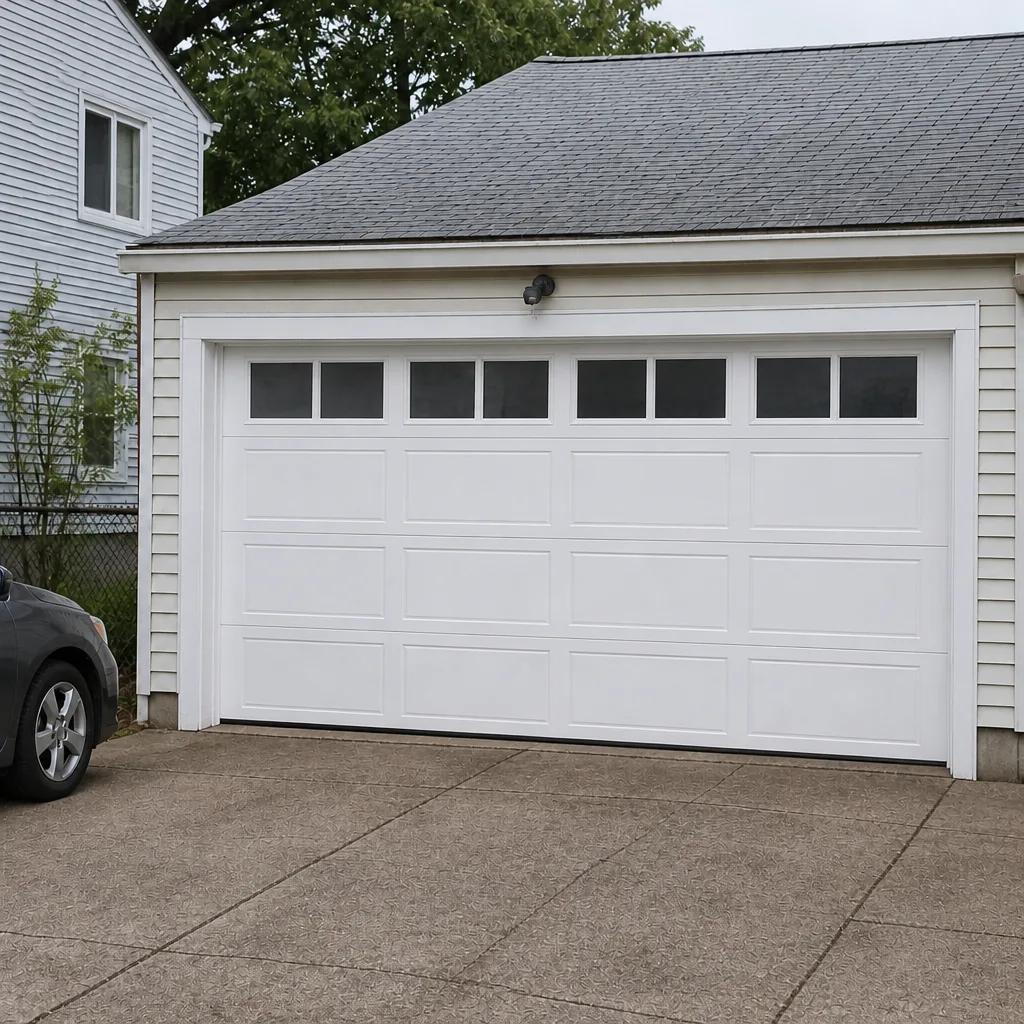
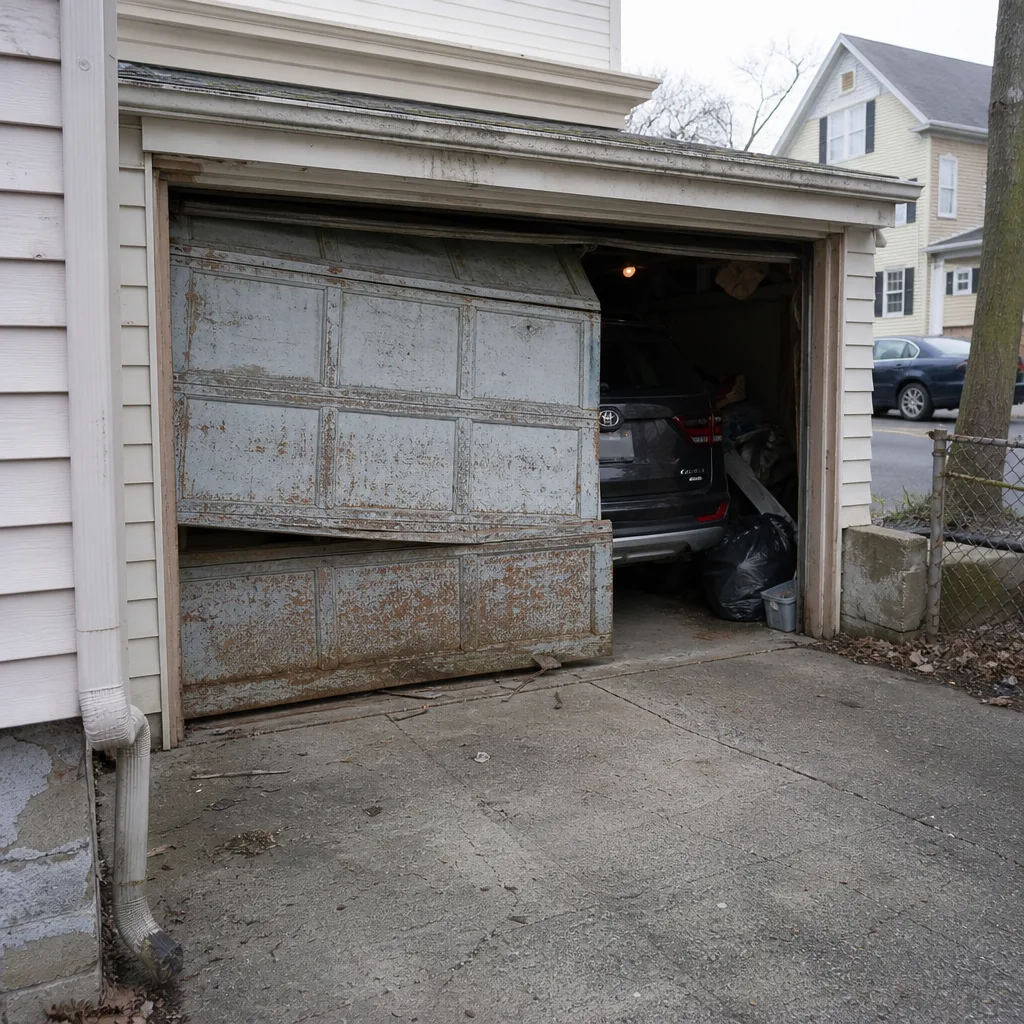 Before
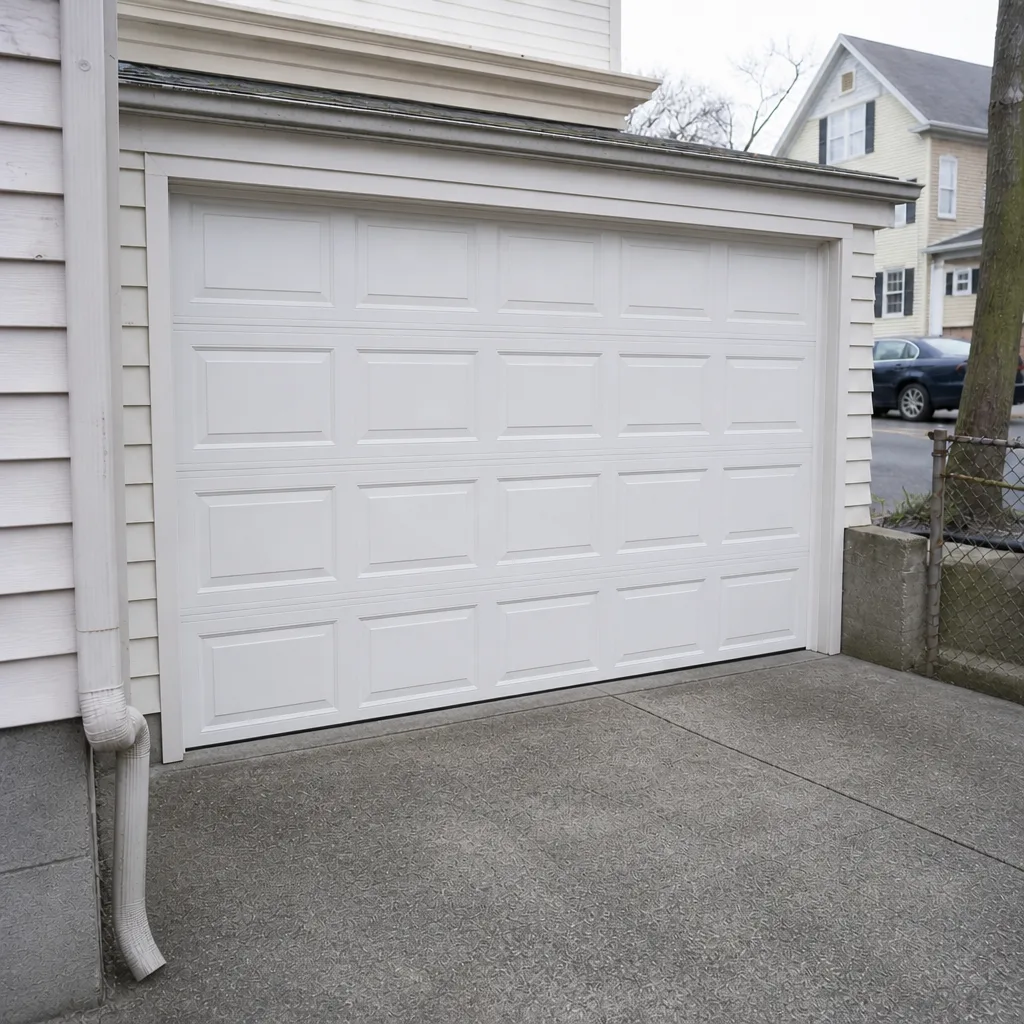 After
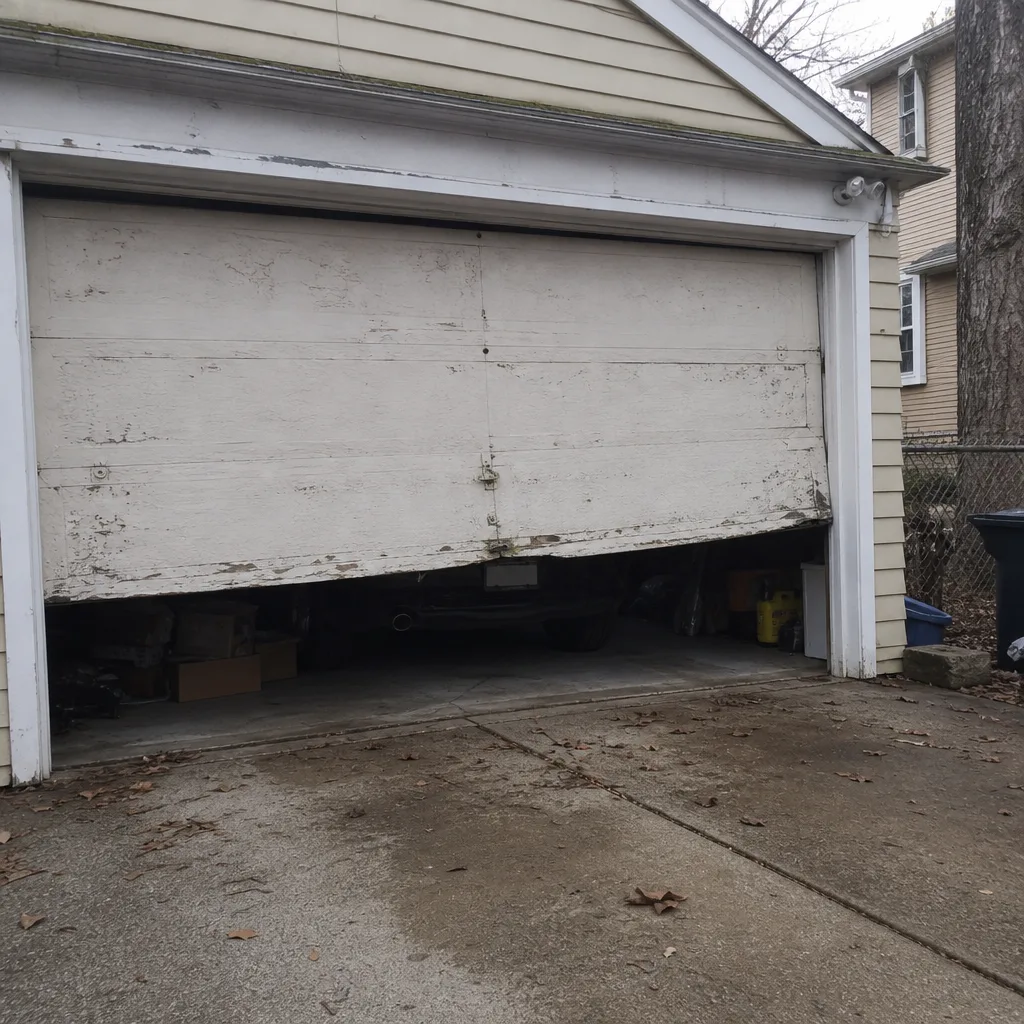
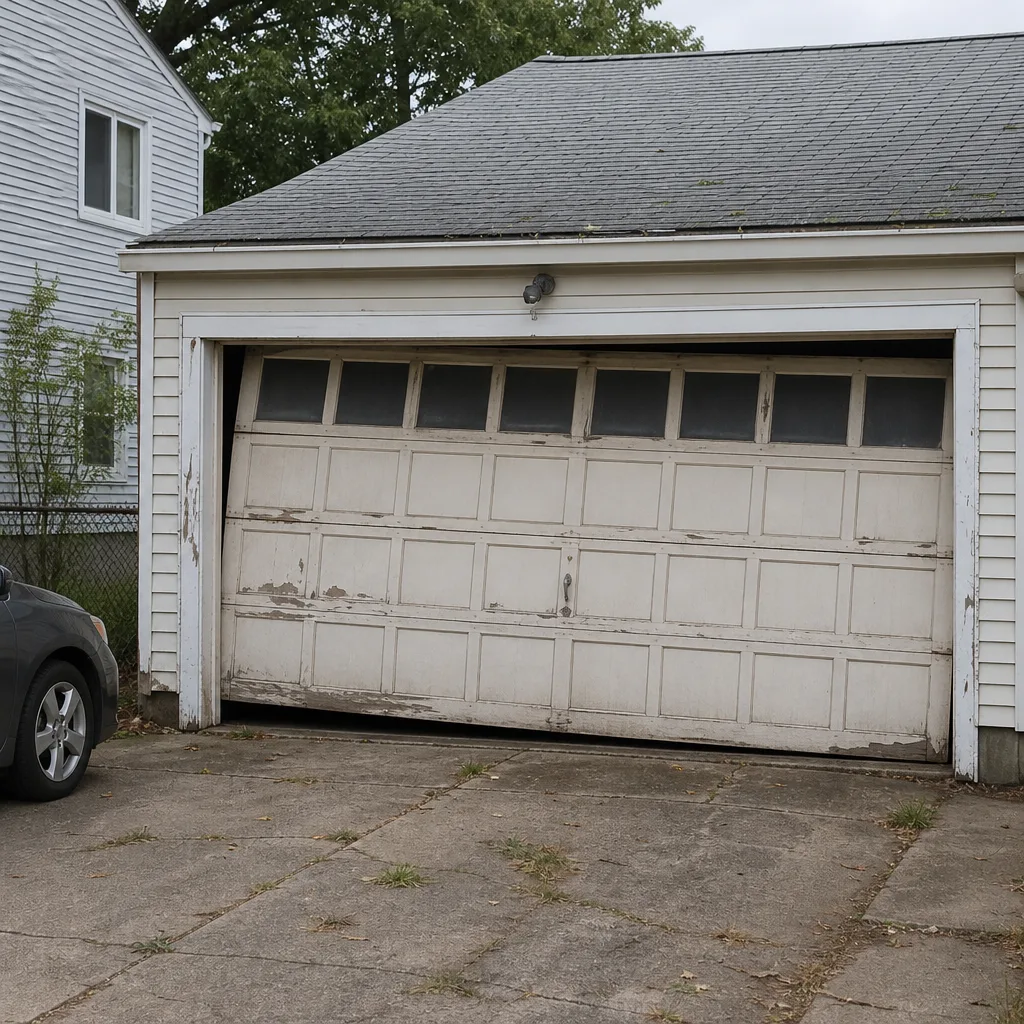 Before
 After
 Before
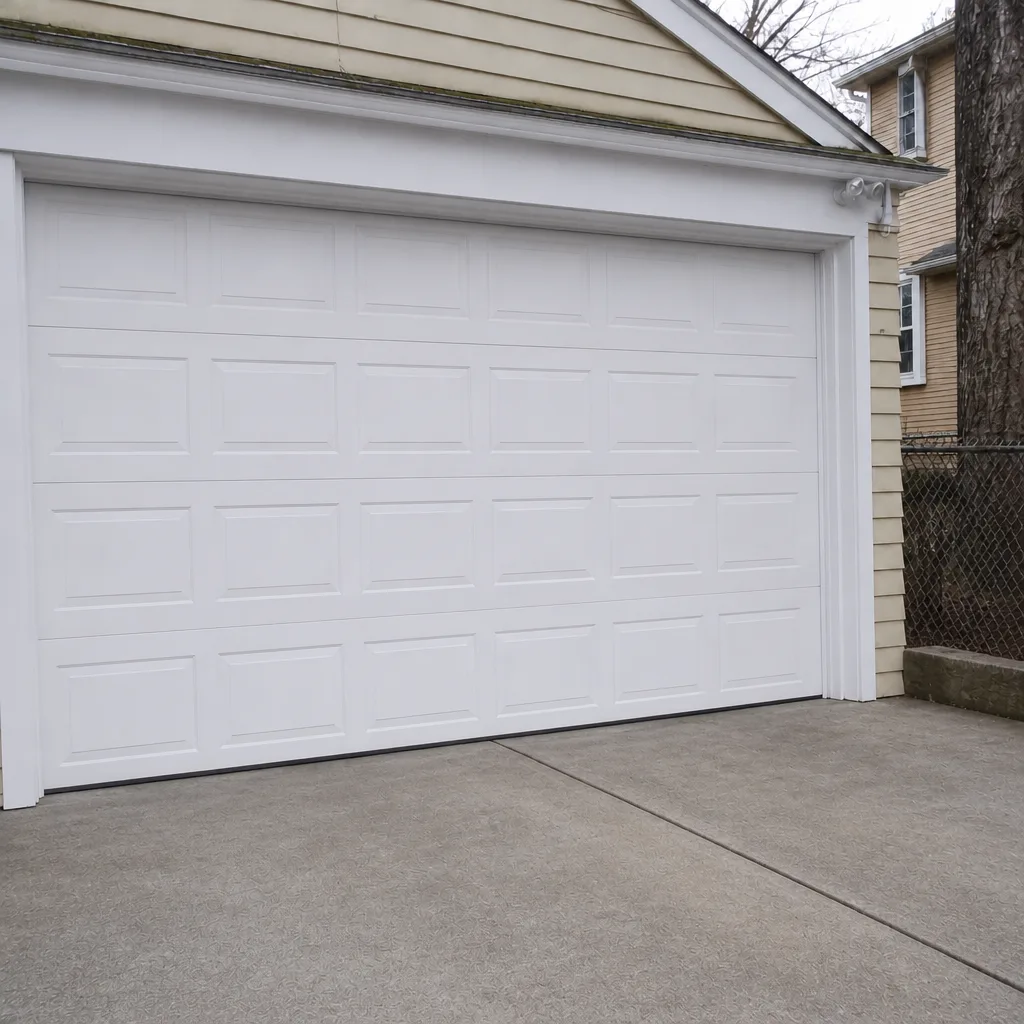 After
When to Call a Professional
Some garage door work belongs in the hands of a trained technician, and permitting-sensitive work is at the top of that list. Torsion spring replacement, cable work, and header or track changes belong to a professional every time; a wound torsion spring carries enough stored energy to injure an experienced installer, and it’s not a job to learn on. The same goes for anything that touches the structure of the opening, which is where the permit and the code converge. If your door fails the safety reversal test, if the opener resists reversal or the safety eyes don’t trigger, if your door is in a historic district and you’re about to order a new one, or if your home has an unpermitted door and you’re heading toward a sale, that’s the call. Somerville Garage Door Repair Pros offers free estimates in Somerville. Call (844) 793-4614. We answer 24/7. Fast dispatch from 7am to 7pm, Sunday through Friday.
Frequently Asked Questions
In most cases, yes. Replacing an entire garage door or installing a new opener where none existed typically requires a building permit through Somerville’s Inspectional Services Department under the Massachusetts State Building Code. Routine repair of an existing door or opener generally does not. Call (844) 793-4614 for a free estimate and we’ll help you sort out what your specific job needs.
A repair keeps the existing assembly and a replacement installs a new one, and the permit threshold in Somerville follows that line. Springs, cables, rollers, hinges, and motor swaps on an existing door are repairs and usually don’t require a permit. Swapping out the full door or installing a new opener is a replacement and typically does. Call (844) 793-4614 for a free estimate before you order a door.
A Somerville building inspector checks the header and track support, the opener’s safety reversal and photoelectric eye function, the bottom seal on attached garages, and that the installed door and opener match the approved permit. Springs and cable anchoring are also reviewed as life-safety items. Call (844) 793-4614 for a free estimate on any inspection-driven correction.
It can. In Somerville’s historic district overlays, exterior appearance can require an additional appearance review or Architectural Review Board sign-off on top of the building permit. That review focuses on the door’s style, panel profile, and how it reads from the street, not on the structure. Call (844) 793-4614 for a free estimate and we’ll walk through the review questions with you.
Pull a retroactive permit before you go to market. The process is possible in most cases, but the city reviews the existing work against current code, and additional administrative fees may apply for work done without authorization. Doing it on your own timeline is far easier than doing it under a closing deadline. Call (844) 793-4614 for a free estimate on the correction work if the door needs to meet current code.
Either is possible, but a licensed contractor usually files on the homeowner’s behalf and most of the paperwork goes faster that way. The application, product specifications, and scope of work are all easier for the contractor who’s actually hanging the door. Call (844) 793-4614 for a free estimate and we’ll confirm the filing path for your job.
The Bottom Line
Replacing a garage door in Somerville is a permitting question first and a hardware question second. The Massachusetts State Building Code generally requires a permit for a door replacement or new opener installation, and the Inspectional Services Department is your starting point. Historic district overlays in East Somerville and parts of Winter Hill add an appearance review layer. What an inspector checks at the end, header support, safety reversal, and the bottom seal on attached garages, is the same list you want your installer to work from on day one. Pull the permit up front and the rest of the project stays on your schedule. Call (844) 793-4614 for a free estimate. We answer 24/7. Fast dispatch from 7am to 7pm, Sunday through Friday.
Written by the team at Somerville Garage Door Repair Pros.